
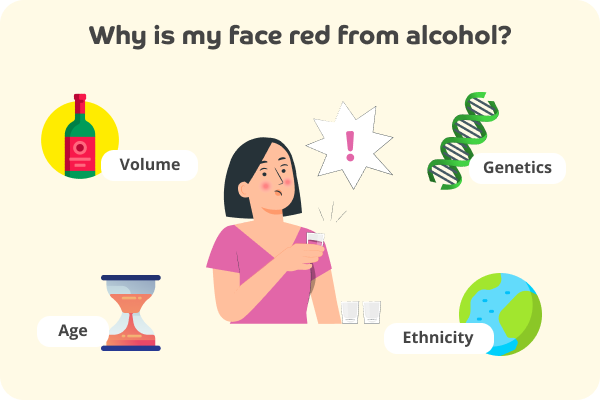
For some, drinking a glass of wine at dinner or raising a toast at a party comes with an unwelcome side effect: their face turns noticeably red, often within minutes. This reaction, commonly known as the “alcohol flush reaction” or sometimes the “Asian flush,” is more than just an aesthetic quirk — it’s a visible signal of how the body is struggling to process alcohol at a biochemical level.

The flush is caused by a genetic mutation that affects how alcohol is metabolized. Under normal circumstances, when a person consumes alcohol (ethanol), their body converts it into a toxic compound called acetaldehyde. This compound is then rapidly broken down by an enzyme called aldehyde dehydrogenase 2 (ALDH2) into a less harmful substance, acetic acid, which is eventually eliminated from the body.
However, in individuals with a variant of the ALDH2 gene, the enzyme is either inactive or significantly less effective. This variant is especially common in East Asian populations, affecting approximately 30 to 50 percent of people of Chinese, Japanese, or Korean descent. When someone with this gene mutation drinks alcohol, their body can still convert ethanol into acetaldehyde, but it struggles to break that acetaldehyde down. As a result, this toxic compound accumulates in the bloodstream.
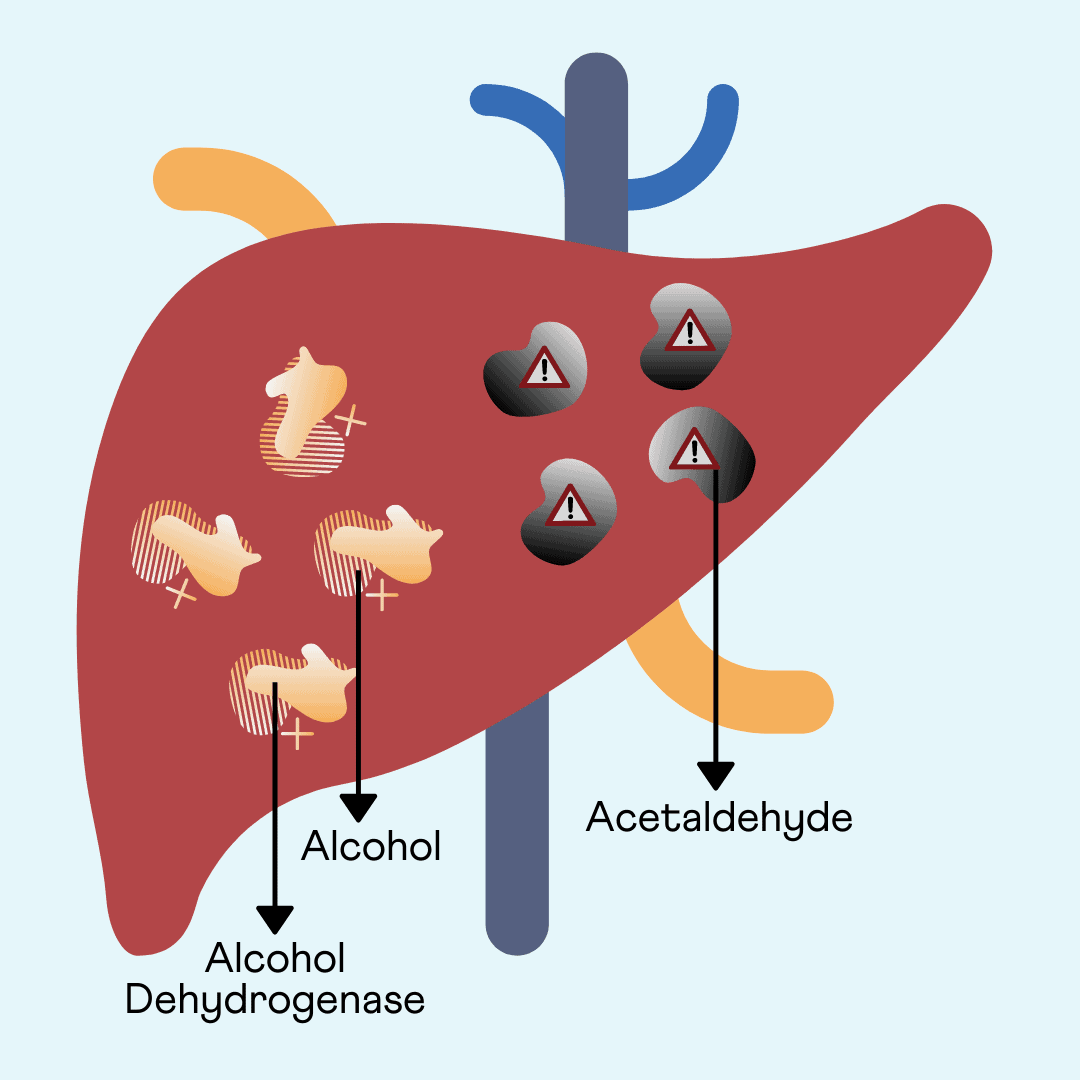
The presence of excess acetaldehyde triggers a cascade of physiological responses. Blood vessels near the surface of the skin dilate, leading to the classic red flush across the cheeks, neck, and sometimes even the chest. At the same time, people may experience nausea, headaches, increased heart rate, dizziness, or even a drop in blood pressure. This is the body’s way of signaling that something is wrong — that a toxic substance is building up internally.
Interestingly, this reaction is not a simple intolerance, nor is it a sign of low alcohol tolerance in the conventional sense. It’s a direct result of impaired metabolism at the genetic level. And while some may dismiss the flush as harmless or merely embarrassing, the truth is more serious. Acetaldehyde is a known carcinogen, and individuals with the ALDH2 deficiency who regularly consume alcohol are at significantly increased risk for certain types of cancer, especially esophageal cancer.
Studies have shown that people with this genetic mutation who drink heavily are up to 10 times more likely to develop esophageal cancer than those without the mutation. If smoking is added to the mix, the risk climbs even higher. Other cancers associated with acetaldehyde exposure include cancers of the mouth, throat, and possibly the breast. Because the flushing reaction is so visible, it serves as an important warning signal — and one that should not be ignored.

Some people attempt to minimize the redness by taking over-the-counter antihistamines or acid reducers before drinking. While this may dull the appearance of flushing, it does not prevent the buildup of acetaldehyde or reduce the associated health risks. In fact, masking symptoms could encourage individuals to drink more than their bodies can safely handle.
Currently, there is no widely available treatment to correct the underlying enzyme deficiency. However, researchers are exploring experimental compounds like Alda-1, which has shown promise in reactivating the dysfunctional ALDH2 enzyme in laboratory settings. Such advancements offer hope for future therapies but remain years away from clinical use.
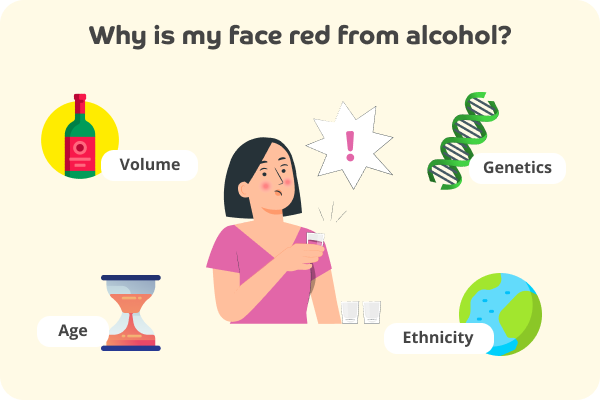
In the meantime, awareness is key. If you experience facial flushing after drinking alcohol, it’s worth recognizing that your body is sending a clear message. Redness is not just cosmetic — it reflects an internal struggle with toxic buildup and potential long-term damage. Choosing to limit or avoid alcohol in response to this signal can significantly reduce cancer risk and protect your health in the long run.
The next time someone’s face turns red after a sip of beer or wine, know that what you’re seeing is more than a flush — it’s a flash of genetic truth written across the skin, and a moment where science meets self-awareness in the most human way possible.