
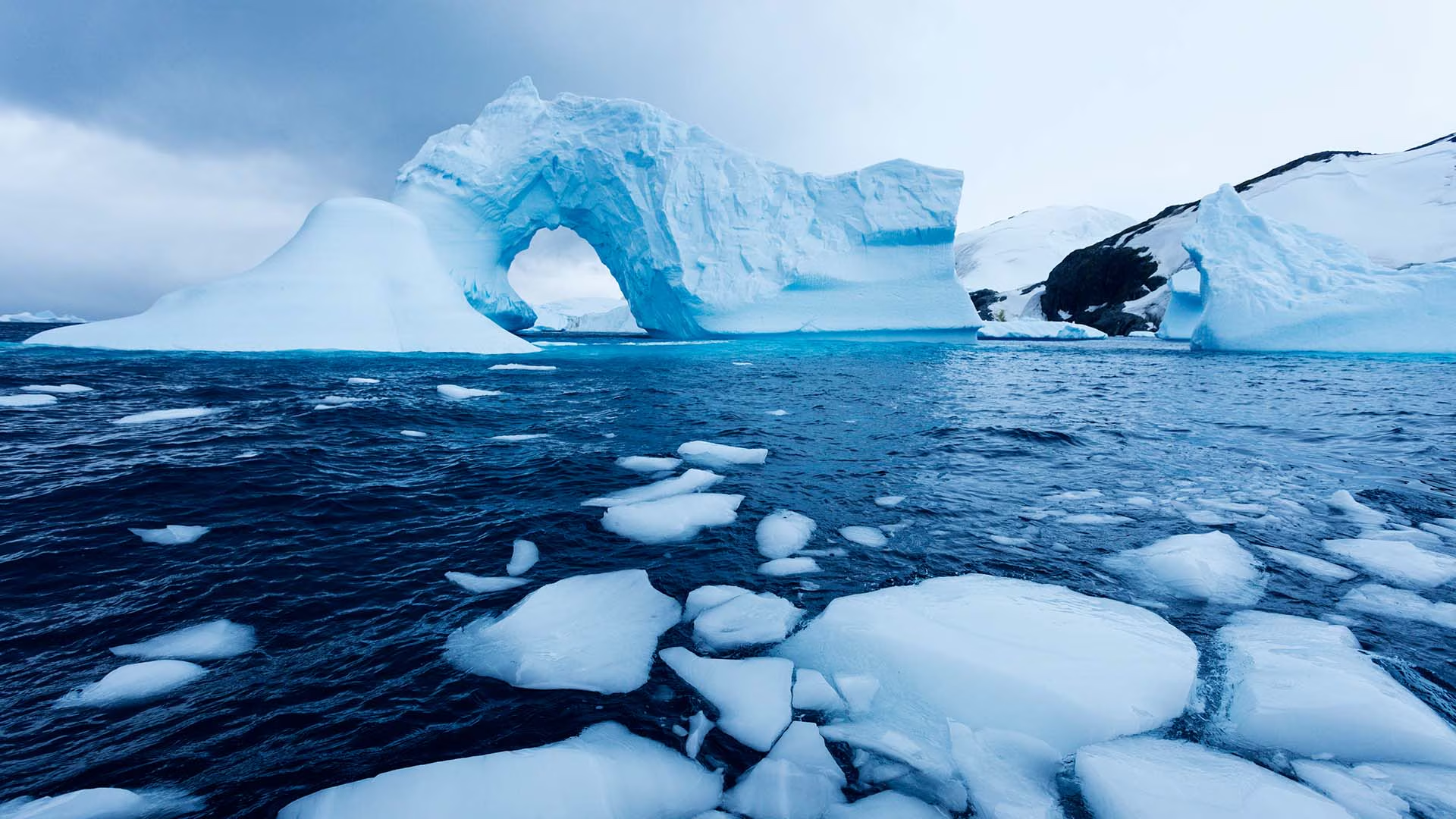
The Antarctic ice sheet, a colossal reservoir of frozen water, holds approximately 90% of Earth’s freshwater ice. Its sheer scale plays a critical role in regulating global climate patterns, sea levels, and ocean circulation. The prospect of even a fraction of this vast ice sheet melting poses an existential threat to coastal communities, ecosystems, and the delicate balance of the planetary system. This research article delves into the projected consequences if half the Antarctic ice sheet were to melt, exploring the cascading environmental, geological, and socio-economic impacts that would fundamentally reshape our world.
Understanding the Antarctic Ice Sheet’s Scale
The Antarctic ice sheet covers an area of about 14 million square kilometers (5.4 million square miles) and has an average thickness of approximately 2,160 meters (7,090 feet), reaching over 4,800 meters (15,700 feet) in some places. It is divided into two main parts: the larger East Antarctic Ice Sheet (EAIS), which is predominantly above sea level, and the smaller West Antarctic Ice Sheet (WAIS), much of which rests on bedrock below sea level, making it inherently more unstable and vulnerable to ocean warming. The entire ice sheet contains enough water to raise global sea levels by approximately 58 meters (190 feet). Therefore, a melting of half this volume would translate to an unimaginable global transformation.
Projected Sea Level Rise: A Catastrophic Deluge
The most immediate and dramatic consequence of half the Antarctic ice sheet melting would be a monumental rise in global sea levels. If 50% of Antarctica’s ice were to melt, this would contribute approximately 29 meters (95 feet) to global sea levels. Such a rise would not be a gradual inundation but a catastrophic submergence of coastal regions worldwide.
- Coastal Submergence: Hundreds of millions, if not billions, of people currently living in low-lying coastal areas, major cities, and island nations would be displaced. Megacities like New York, London, Tokyo, Shanghai, Mumbai, and vast stretches of Florida, Bangladesh, and the Netherlands would be permanently submerged.
- Mass Migration and Humanitarian Crises: The scale of displacement would trigger unprecedented humanitarian crises, mass migrations, and resource conflicts. Existing infrastructure, including ports, transportation networks, and agricultural lands in coastal deltas, would be lost, leading to global economic collapse and immense societal disruption.
- Salinization of Freshwater Resources: Even areas not fully submerged would face severe salinization of freshwater aquifers, rendering agricultural land infertile and compromising drinking water supplies for inland communities near affected coastlines.
Ocean Circulation and Climate Disruptions
The melting of half the Antarctic ice sheet would inject an enormous volume of cold, fresh meltwater into the Southern Ocean. This influx would have profound and potentially irreversible impacts on global ocean currents and climate systems.
- Weakening of the Atlantic Meridional Overturning Circulation (AMOC): The AMOC, a critical system of ocean currents (including the Gulf Stream) that transports warm water from the tropics towards the poles and cold water back, relies on the sinking of dense, salty water in the North Atlantic. A massive influx of fresh Antarctic meltwater could significantly weaken or even shut down the AMOC. This would lead to:
- Cooling of parts of the Northern Hemisphere: Paradoxically, regions like Western Europe could experience colder winters and more extreme weather events due to reduced heat transport from the tropics.
- Disruptions to global weather patterns: Alterations in the AMOC would have far-reaching effects on monsoon systems, El Niño/La Niña cycles, and global precipitation patterns, leading to more frequent and intense droughts, floods, and storms in various regions.
- Impact on Carbon Sequestration: The Southern Ocean is a vital carbon sink, absorbing a significant portion of atmospheric CO2. Changes in ocean circulation, stratification (layering of water), and pH due to massive meltwater input could reduce the ocean’s capacity to absorb carbon, leading to a feedback loop where more CO2 remains in the atmosphere, accelerating warming.
Ecological Collapse and Biodiversity Loss
The sheer scale of environmental change resulting from a half-Antarctic meltdown would precipitate widespread ecological collapse and catastrophic biodiversity loss.
- Marine Ecosystem Disruption: Antarctic krill, a keystone species forming the base of the Antarctic food web, are highly sensitive to changes in sea ice extent and ocean temperature. Their decline would devastate populations of whales, seals, penguins, and seabirds that rely on them for food.
- Coastal and Estuarine Destruction: Rising sea levels would inundate and destroy critical coastal habitats such as mangroves, coral reefs, salt marshes, and estuaries, which serve as nurseries for countless marine species and provide natural coastal protection. The rapid pace of sea-level rise would preclude effective adaptation or migration for most species.
- Terrestrial Biodiversity Loss: Freshwater contamination of coastal ecosystems, loss of habitat, and radical shifts in climate zones would lead to mass extinctions of terrestrial species unable to adapt or migrate quickly enough. Unique polar ecosystems would be entirely transformed.
Geological and Geomorphological Consequences
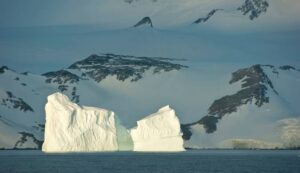
The immense weight of the Antarctic ice sheet currently exerts tremendous pressure on the underlying landmass. Its partial disappearance would trigger significant geological and geomorphological responses.
- Post-Glacial Rebound: As the ice weight is removed, the land beneath would slowly begin to rise, a process known as post-glacial rebound. While seemingly beneficial, this process occurs over millennia and cannot counteract the immediate impacts of sea-level rise. Moreover, it could trigger seismic activity in some regions due to changes in crustal stress.
- Continental Shelf Changes: The vast continental shelves currently submerged under ice would be exposed, creating new land areas but also drastically altering ocean floor topography, which could impact ocean currents and marine life distribution.
- Permafrost Thaw (Arctic Link): While primarily an Antarctic event, the global warming causing this melt would also accelerate permafrost thaw in the Arctic, releasing vast quantities of potent greenhouse gases like methane and CO2, further exacerbating climate change in a dangerous feedback loop.
Socio-Economic Devastation and Geopolitical Instability
The consequences would extend far beyond environmental devastation, leading to unprecedented socio-economic and geopolitical crises.
- Global Economic Collapse: The destruction of coastal infrastructure, agricultural lands, and critical trade routes would cripple the global economy. Industries reliant on coastal access, tourism, and marine resources would collapse.
- Resource Scarcity and Conflict: The loss of habitable land, salinization of fresh water, and disruption of food systems would lead to intense competition for dwindling resources, potentially fueling widespread political instability, civil unrest, and international conflicts.
- Health Crises: Mass displacement, lack of sanitation, and disrupted healthcare systems would lead to widespread outbreaks of infectious diseases and a global public health emergency. Mental health crises from trauma and loss would also be rampant.
- Loss of Cultural Heritage: Countless historical sites, cultural landmarks, and entire communities along coastlines would be lost to the rising waters, erasing millennia of human history and heritage.
The Unthinkable Scenario and Future Outlook
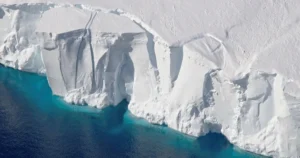
While the complete melting of half the Antarctic ice sheet is a scenario often used by climate scientists to illustrate the catastrophic potential of unchecked global warming, it is important to note that such a rapid melt within a human lifetime is currently considered unlikely. However, climate models consistently project significant contributions from Antarctic ice melt to sea-level rise over the coming centuries, especially from the more vulnerable West Antarctic Ice Sheet. Even a few meters of sea-level rise, a more plausible outcome within decades to centuries if emissions continue unchecked, would still have devastating consequences for coastal populations.
The scientific consensus underscores that the continued warming of the planet, driven by anthropogenic greenhouse gas emissions, is destabilizing the Antarctic ice sheet. Understanding the potential for extreme scenarios, even if they seem remote, highlights the critical urgency of global efforts to mitigate climate change, reduce emissions, and adapt to the unavoidable impacts already in motion. The Antarctic ice sheet stands as a monumental indicator of planetary health; its future is inextricably linked to the future of human civilization.