Muscle inflammation, muscle abscess are conditions that can cause significant pain and potentially lead to severe complications if not properly addressed. While often discussed in conjunction, they represent different stages or types of muscle pathology, ranging from generalized inflammation to a localized collection of pus within muscle tissue. Understanding the distinctions, underlying causes, symptoms, and the crucial steps for diagnosis and treatment is paramount for effective management and recovery.
What is Muscle Inflammation (Myositis)?
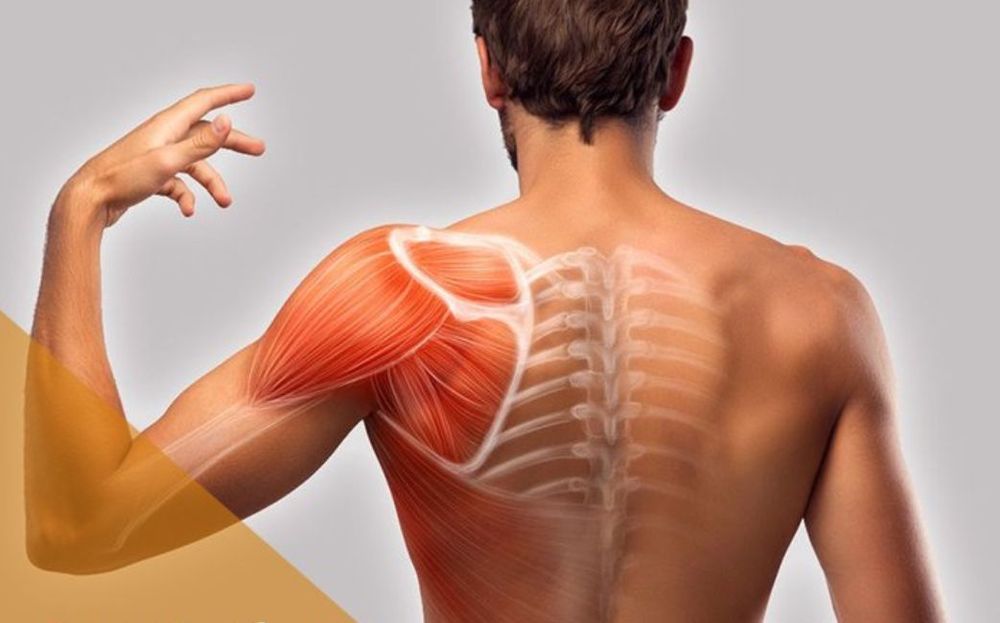
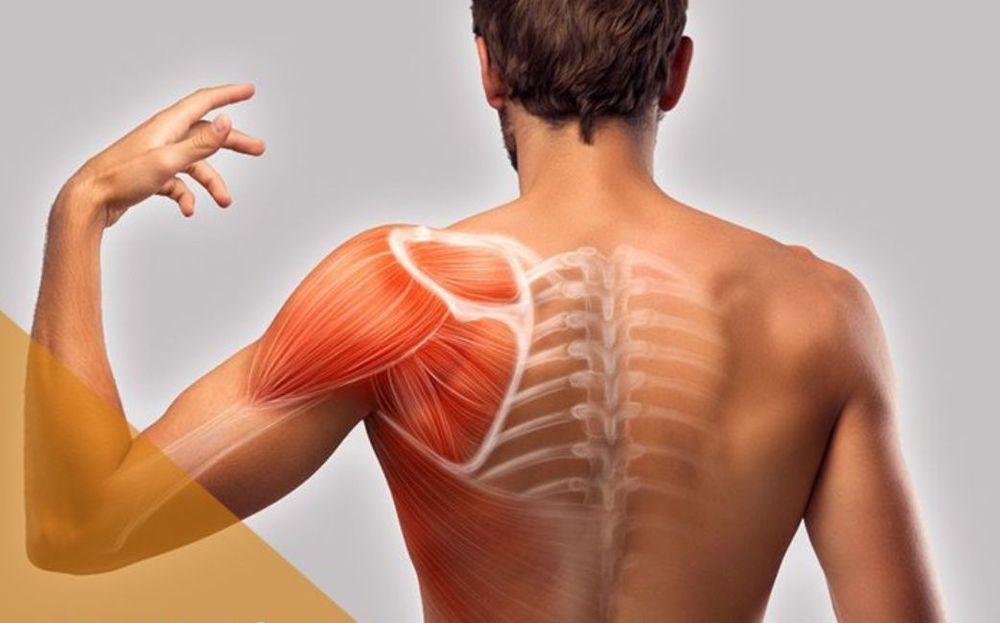
Muscle inflammation, medically known as myositis, refers to any condition that causes inflammation in the muscles. This inflammation can lead to muscle weakness, pain, and fatigue. Myositis can affect a single muscle or multiple muscles throughout the body.
Causes of Myositis: The causes of myositis are diverse and can be broadly categorized:
- Autoimmune Conditions: This is a common group where the body’s immune system mistakenly attacks its own muscle tissues. Examples include:
- Polymyositis: Causes widespread muscle weakness, particularly in the shoulders, hips, and thighs.
- Dermatomyositis: Similar to polymyositis but also involves a characteristic skin rash.
- Inclusion Body Myositis (IBM): Causes progressive muscle weakness and wasting, often affecting forearms and thighs, and is less responsive to treatment.
- Lupus, Rheumatoid Arthritis, Scleroderma: These systemic autoimmune diseases can also cause secondary myositis.
- Infections: Viruses, bacteria, fungi, or parasites can directly infect muscle tissue, leading to inflammation. Viral infections (like the flu, HIV, or common cold viruses) are frequent culprits, often causing temporary muscle aches (myalgia). Bacterial infections can be more serious and may lead to abscess formation (discussed below).
- Medications: Certain drugs can cause muscle inflammation as a side effect. Common examples include statins (cholesterol-lowering drugs), colchicine, and some illicit drugs like cocaine.
- Trauma or Injury: Direct injury to a muscle, overuse, or strenuous exercise can result in localized muscle inflammation.
- Toxins: Exposure to certain toxins can also induce muscle inflammation.
Symptoms of Myositis: Symptoms can vary depending on the cause and severity but commonly include:
- Muscle pain or tenderness
- Muscle weakness (difficulty standing from a seated position, lifting arms, climbing stairs)
- Fatigue
- Difficulty swallowing (in severe cases affecting throat muscles)
- Shortness of breath (if respiratory muscles are affected)
- Fever (especially with infectious causes)
- Skin rash (in dermatomyositis)
What is Muscle Abscess (Pyomyositis)?
A muscle abscess, or pyomyositis, is a serious bacterial infection that leads to the formation of a localized collection of pus within a skeletal muscle. It typically starts as a localized inflammation but progresses to pus formation due to bacterial proliferation. While it can occur in otherwise healthy individuals, it is more common in tropical climates or in people with weakened immune systems.
Causes of Muscle Abscess (Pyomyositis): The primary cause of a muscle abscess is a bacterial infection.
- Bacterial Invasion: The most common culprit is Staphylococcus aureus (Staph), often entering the bloodstream from a seemingly minor skin infection (like a boil or cut) or spreading from an infected area nearby. Less commonly, other bacteria (e.g., Streptococcus) or even fungi can be responsible.
- Trauma or Injury: A blunt trauma to the muscle, even without a break in the skin, can create a hematoma (collection of blood) that serves as a fertile ground for bacteria traveling through the bloodstream to settle and multiply.
- Compromised Immune System: Individuals with conditions like diabetes, HIV/AIDS, kidney failure, cancer, or those undergoing chemotherapy are at a higher risk because their bodies are less able to fight off infections.
- Intravenous Drug Use: Sharing needles can introduce bacteria directly into the bloodstream, increasing the risk of muscle abscesses.
Symptoms of Muscle Abscess: Unlike generalized muscle inflammation, a muscle abscess presents with more severe and localized signs of infection:
- Intense, localized muscle pain: The pain is usually severe and worsens over time.
- Swelling and tenderness: A noticeable lump or area of swelling that is extremely tender to touch.
- Warmth and redness: The skin over the affected muscle may be warm and red.
- Fever and chills: High fever is common, often accompanied by chills, indicating a systemic infection.
- General malaise: Feeling unwell, fatigued, and loss of appetite.
- Difficulty moving the affected limb or muscle due to pain and swelling.
Diagnosing Muscle Inflammation, Muscle Abscess
Accurate and timely diagnosis is crucial for both muscle inflammation, muscle abscess to ensure appropriate treatment and prevent complications.
- Clinical Examination: A thorough physical exam will assess muscle strength, tenderness, swelling, and any associated skin changes. The doctor will also inquire about medical history, medications, and recent infections or injuries.
- Blood Tests:
- Erythrocyte Sedimentation Rate (ESR) and C-Reactive Protein (CRP): Elevated levels indicate inflammation in the body.
- Creatine Kinase (CK): High CK levels suggest muscle damage or inflammation.
- Complete Blood Count (CBC): Elevated white blood cell count (WBC) can indicate infection.
- Autoantibody Tests: If an autoimmune cause for myositis is suspected, specific autoantibodies (e.g., ANA, anti-Jo-1) will be tested.
- Blood Cultures: If an infection (especially bacterial) is suspected, blood cultures can identify the causative organism.
- Imaging Studies:
- Ultrasound: Often the first imaging choice for a suspected muscle abscess as it can visualize fluid collections (pus) and assess their size.
- Magnetic Resonance Imaging (MRI): Provides detailed images of muscle tissue, highly effective in detecting inflammation, edema, and abscess formation. It can differentiate between muscle inflammation and abscess.
- Computed Tomography (CT) Scan: Can also visualize abscesses and bone involvement.
- Muscle Biopsy: For myositis, a muscle biopsy (taking a small sample of muscle tissue for microscopic examination) is often the definitive diagnostic tool, helping to identify the type of inflammation and rule out other conditions.
- Abscess Aspiration/Drainage: For a suspected muscle abscess, a needle aspiration may be performed under ultrasound guidance to withdraw pus. This not only confirms the diagnosis but also allows for culture to identify the specific bacteria, guiding antibiotic treatment.
Treatment Approaches for Muscle Inflammation, Muscle Abscess
Treatment depends entirely on the underlying cause and severity.
Treatment for Myositis (Muscle Inflammation):
- Corticosteroids: Often the first line of treatment for autoimmune myositis, to reduce inflammation and suppress the immune system.
- Immunosuppressants: Drugs like azathioprine, methotrexate, or mycophenolate mofetil may be used if corticosteroids are ineffective or to reduce their dosage.
- Intravenous Immunoglobulin (IVIg): For severe cases, high doses of antibodies are given intravenously.
- Physical Therapy: Crucial for maintaining muscle strength and preventing atrophy.
- Symptomatic Treatment: Pain relievers, rest, and heat/cold therapy.
- For Infectious Myositis: Antiviral, antibacterial, or antiparasitic medications as appropriate.
Treatment for Pyomyositis (Muscle Abscess):
- Antibiotics: Crucial for treating the bacterial infection. Initially, broad-spectrum antibiotics are used, then tailored once the specific bacteria from culture results are identified. Treatment usually lasts for several weeks.
- Drainage: Most muscle abscess cases require drainage of the pus. This can be done via needle aspiration (percutaneous drainage) guided by ultrasound or CT, or through surgical incision and drainage if the abscess is large or difficult to access. Drainage relieves pressure and removes the source of infection.
- Rest and Support: Resting the affected limb and supportive care are important for recovery.
Prevention and When to Seek Medical Help
Preventing muscle inflammation, muscle abscess often involves managing underlying conditions, practicing good hygiene (especially for skin infections), and avoiding activities that lead to severe muscle trauma.
When to Seek Medical Help:
- Persistent or worsening muscle pain, weakness, or swelling that doesn’t improve with rest.
- Development of a painful, hot, red lump in a muscle.
- Fever, chills, and general malaise accompanying muscle symptoms.
- Difficulty performing daily activities due to muscle weakness.
Early diagnosis and prompt, appropriate treatment are vital to prevent complications such as sepsis (life-threatening infection), permanent muscle damage, or spread of infection to other parts of the body. If you suspect you have muscle inflammation, muscle abscess, consult a healthcare professional immediately.