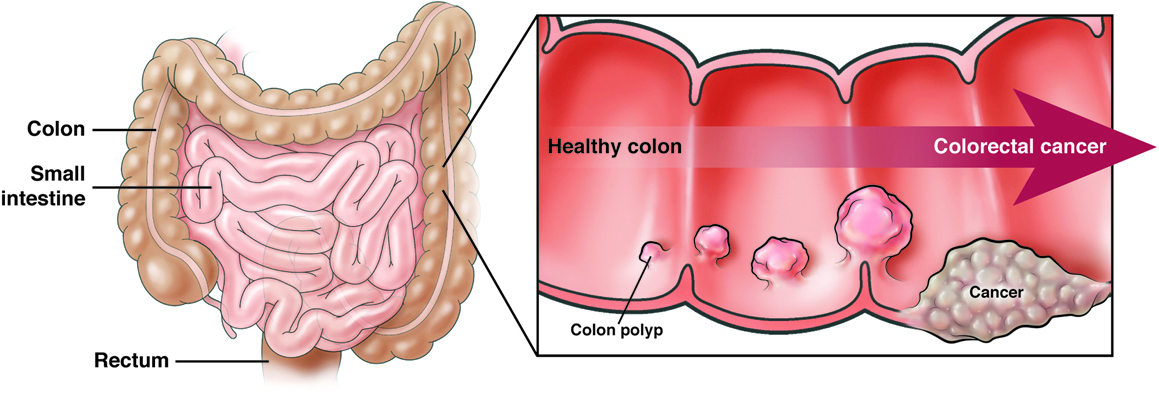
Colorectal cancer (CRC) is one of the most common and preventable forms of cancer worldwide. Among various risk factors, dietary patterns play a significant and modifiable role in the development and progression of CRC. This article explores the mechanisms through which certain foods and nutrients influence colorectal cancer risk, highlights key research findings, and offers evidence-based dietary recommendations to reduce risk.
Introduction
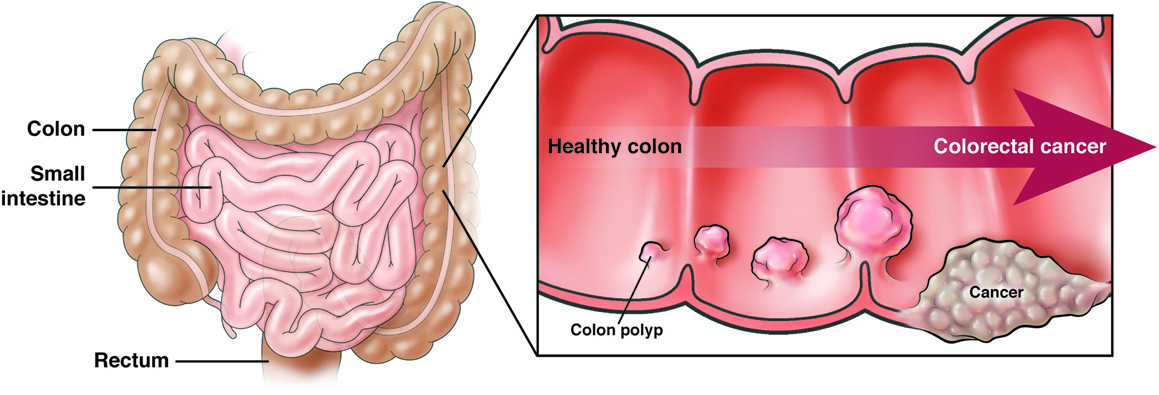
Colorectal cancer affects the colon and rectum and is the third most commonly diagnosed cancer globally. Although genetic predisposition plays a role, lifestyle factors—particularly diet—are strongly associated with the risk of developing CRC. As the colon is directly exposed to the end-products of digestion, what we eat has a profound impact on colon cell health, the gut microbiome, inflammation, and cellular mutations.
Mechanisms Linking Diet to Colorectal Cancer
1. Inflammation and Oxidative Stress
Diets high in red and processed meats, saturated fats, and refined sugars can trigger chronic inflammation and oxidative stress, both of which contribute to DNA damage and cancerous mutations in colon epithelial cells.
2. Gut Microbiome Alterations
Diet influences the composition and function of the gut microbiota. High-fiber, plant-based diets promote beneficial bacteria that produce anti-inflammatory short-chain fatty acids (SCFAs) like butyrate, which supports healthy colon cells. In contrast, meat-heavy, low-fiber diets can promote the growth of bacteria that generate carcinogenic metabolites such as hydrogen sulfide or secondary bile acids.
3. Carcinogenic Compounds in Foods
Cooking red meat at high temperatures (e.g., grilling, frying) produces heterocyclic amines (HCAs) and polycyclic aromatic hydrocarbons (PAHs), both known to be carcinogenic. Processed meats, often preserved with nitrates and nitrites, can form N-nitroso compounds in the gut—substances linked to increased colorectal cancer risk.

Foods That Increase Colorectal Cancer Risk
Red and Processed Meats
According to the World Health Organization (WHO), processed meat is classified as a Group 1 carcinogen, while red meat is considered “probably carcinogenic” (Group 2A). Consistent evidence links high consumption of these meats with an elevated risk of CRC, especially in the distal colon and rectum.
Alcohol
Alcohol intake, especially in excess, increases CRC risk, potentially through mechanisms involving acetaldehyde (a toxic metabolite), oxidative stress, and folate metabolism interference.
Refined Grains and Sugary Foods
These foods contribute to insulin resistance, obesity, and metabolic syndrome—factors all associated with higher colorectal cancer risk.

Foods That Protect Against Colorectal Cancer
Dietary Fiber
Fiber, especially from whole grains, fruits, and vegetables, reduces CRC risk by:
-
Increasing stool bulk and reducing transit time (limiting exposure of colon lining to carcinogens),
-
Producing SCFAs like butyrate via microbial fermentation,
-
Lowering colonic pH and inflammation.
A meta-analysis published in BMJ (2011) found that every 10g/day increase in fiber intake was associated with a 10% reduction in CRC risk.
Fruits and Vegetables
Rich in antioxidants (e.g., vitamin C, E, beta-carotene), flavonoids, and other phytochemicals, plant-based foods help neutralize free radicals and reduce inflammation. Cruciferous vegetables (like broccoli, kale, and Brussels sprouts) contain glucosinolates, which may have protective anti-cancer properties.
Fish and Omega-3 Fatty Acids
Long-chain omega-3 fatty acids found in fatty fish have anti-inflammatory effects and may protect against tumorigenesis in the colon.
Calcium and Vitamin D
Calcium may reduce colorectal cancer risk by binding to bile acids and fatty acids in the colon, forming insoluble soaps that are less irritating to the mucosa. Vitamin D, through its role in cell growth regulation and immune modulation, may also have protective effects.
Population-Based Evidence
Large cohort studies provide strong support for the diet-cancer link:
-
Nurses’ Health Study & Health Professionals Follow-up Study (USA): High adherence to a “Western” dietary pattern (rich in meat, refined grains, and sweets) was associated with a significantly increased CRC risk, while a “prudent” pattern (rich in fruits, vegetables, whole grains, and fish) showed reduced risk.
-
EPIC Study (Europe): Participants with high fiber and low meat intake had a notably lower incidence of CRC.
Dietary Recommendations to Reduce Risk
Based on current evidence, the following dietary strategies are recommended to lower colorectal cancer risk:
-
Limit red meat to <500g/week and avoid processed meats altogether.
-
Consume at least 25–30g of fiber daily from whole grains, legumes, fruits, and vegetables.
-
Include fatty fish (e.g., salmon, mackerel) in the diet 1–2 times per week.
-
Avoid excessive alcohol, ideally limiting intake to <1 drink/day for women and <2 drinks/day for men.
-
Ensure adequate intake of calcium (1,000–1,200mg/day) and vitamin D, especially in older adults.
-
Maintain a healthy body weight and engage in regular physical activity to support overall metabolic health.
Conclusion
Diet is a powerful modifiable factor in colorectal cancer prevention. While no single food guarantees protection or causes cancer in isolation, overall dietary patterns profoundly shape our long-term risk. Shifting toward a plant-based, fiber-rich, anti-inflammatory diet—while limiting red meat, processed foods, and alcohol—can significantly reduce the incidence of colorectal cancer across populations. Public health strategies and individual dietary choices grounded in scientific evidence can make a measurable impact in the fight against this preventable disease.