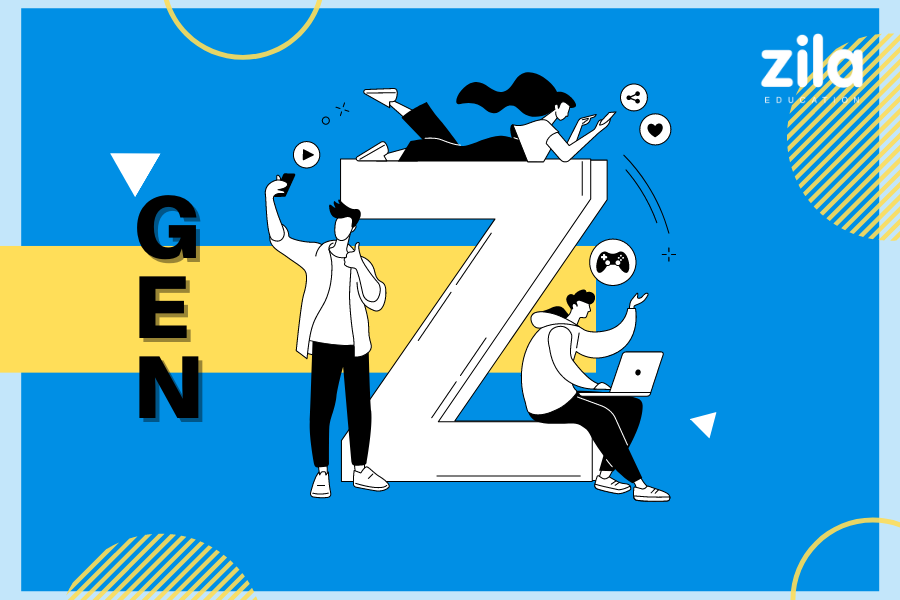
A growing body of conversation—from TikTok comment sections to workplace corridors—is focused on what’s now being called the Gen Z stare: a blank, expressionless gaze that often replaces small talk or traditional chatter. Far from a mere trend, this facial moment reflects deeper shifts in culture, communication, and mental health.
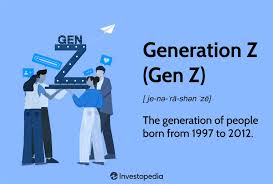
Observers, often from older generations, describe the stare as a wide-eyed, vacant look offered by younger people—especially in customer service roles—when greeting or responding in person. It can feel awkward or disengaged, like encountering someone who’s just seen a ghost. Critics see it as a sign of lacking soft skills or unwillingness to perform typical workplace courtesy.
Yet many young adults, particularly Gen Zers themselves, argue the stare is far from rude. Some describe it as a natural response—pausing to process absurd requests or confusing questions. Others say it’s a form of efficient boundary-setting: choosing silence over scripted pleasantries. Rather than defiance, it can be a protest against forced friendliness or needless small talk.
Experts point to several factors influencing the rise of this behavior. Social anxiety and disrupted social development during the pandemic are often cited as underlying causes. Many Gen Z individuals spent formative years communicating via screens—on Zoom, social media, or voice messages—reducing in-person practice. Some psychologists note that increased screen time and fear of being judged online have shaped a generation that prefers minimal social energy.

Communication scholars frame the Gen Z stare as part of a broader generational shift. Millennials popularized the “millennial pause”—a brief hesitation before recording videos. Gen Z’s silence, by contrast, speaks volumes: it signals authenticity, detachment from performative norms, and discomfort with forced warmth. In their view, it disrupts the expectation that communication must always be cheerful or polished.
Workplaces serving multi-generational teams often observe friction. Managers or older colleagues might interpret the stare as arrogance or disengagement, while Gen Z workers see it as neutral listening. Etiquette trainers suggest that small gestures—a nod, eye contact, or brief verbal cue—can bridge the gap without compromising authenticity.
In retail and customer service, the stare has become especially visible. Viral TikToks recreate scenarios where Gen Z workers simply stare in response to illogical or over-the-top requests. Many creators joke that the stare reflects social processing, not passive refusal. In other words, the stare often isn’t dismissive—it’s reflective.
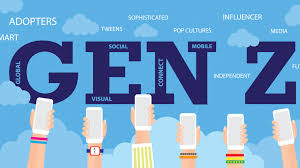
While critics worry the stare undermines communication, supporters argue it’s generational realism. Gen Z tends to value directness, equality, and emotional economy over performative cordiality. Studies show they rank personal values like self-expression and work-life balance above achievement or status. The stare may be a behavioral echo of those priorities.
Looking ahead, whether this behavior diminishes depends partly on context. Some believe the Gen Z stare may ease as younger workers gain professional confidence; others see it as a persistent cultural marker. As workplaces become more age-diverse, expectations around verbal responsiveness may adapt—but understanding remains critical.
For those who experience it firsthand, the Gen Z stare may feel unsettling or abrupt. But beneath its surface lies more than rebellion or disengagement—it reflects changing norms of communication, mental fatigue, and a generation learning to navigate social expectations on its own terms.