Diabetes is one of the most common chronic diseases affecting millions of people worldwide. It occurs when the body cannot properly regulate blood sugar levels due to problems with insulin production or function. This comprehensive guide explores everything you need to know about diabetes: its symptoms, causes, risk factors, diagnosis, treatment, and tips for prevention and healthy living.

What is Diabetes?
Diabetes, or diabetes mellitus, is a chronic health condition that affects how your body turns food into energy. When you eat, your body breaks down most food into glucose (sugar) and releases it into the bloodstream. When blood sugar rises, the pancreas releases insulin to help cells absorb the sugar for energy. In diabetes, this process doesn’t work properly, leading to elevated blood glucose levels.
There are several types of diabetes:
-
Type 1 Diabetes: An autoimmune condition where the immune system attacks insulin-producing cells in the pancreas.
-
Type 2 Diabetes: A metabolic disorder where the body becomes resistant to insulin or doesn’t produce enough insulin.
-
Gestational Diabetes: A temporary form of diabetes that occurs during pregnancy.
-
Prediabetes: A condition where blood sugar levels are higher than normal but not high enough to be diagnosed as diabetes.

Common Symptoms of Diabetes
While symptoms can vary depending on the type of diabetes, the most common warning signs include:
-
Frequent urination
-
Excessive thirst
-
Unexplained weight loss
-
Extreme hunger
-
Blurred vision
-
Fatigue
-
Slow-healing sores
-
Frequent infections
-
Tingling or numbness in hands and feet (especially in Type 2 diabetes)
Some individuals, especially with Type 2 diabetes, may not notice any symptoms for years.
Causes of Diabetes
The causes of diabetes differ by type:
-
Type 1 Diabetes: Caused by an autoimmune response where the immune system mistakenly attacks the pancreas. The exact trigger is unknown but may include genetic and environmental factors.
-
Type 2 Diabetes: Often caused by lifestyle factors, including poor diet, obesity, lack of exercise, and genetic predisposition.
-
Gestational Diabetes: Related to hormonal changes during pregnancy that make insulin less effective
Risk Factors for Diabetes
Understanding the risk factors can help in early detection and prevention:
For Type 1 Diabetes:
-
Family history of Type 1 diabetes
-
Certain viruses
-
Autoimmune diseases
For Type 2 Diabetes:
-
Being overweight or obese
-
Sedentary lifestyle
-
Poor dietary habits
-
Age over 45
-
High blood pressure
-
High cholesterol
-
Family history of diabetes
-
Polycystic ovary syndrome (PCOS)
For Gestational Diabetes:
-
History of gestational diabetes in previous pregnancies
-
Overweight before pregnancy
-
Family history of Type 2 diabetes
Diagnosis and Treatment Options
How is Diabetes Diagnosed?
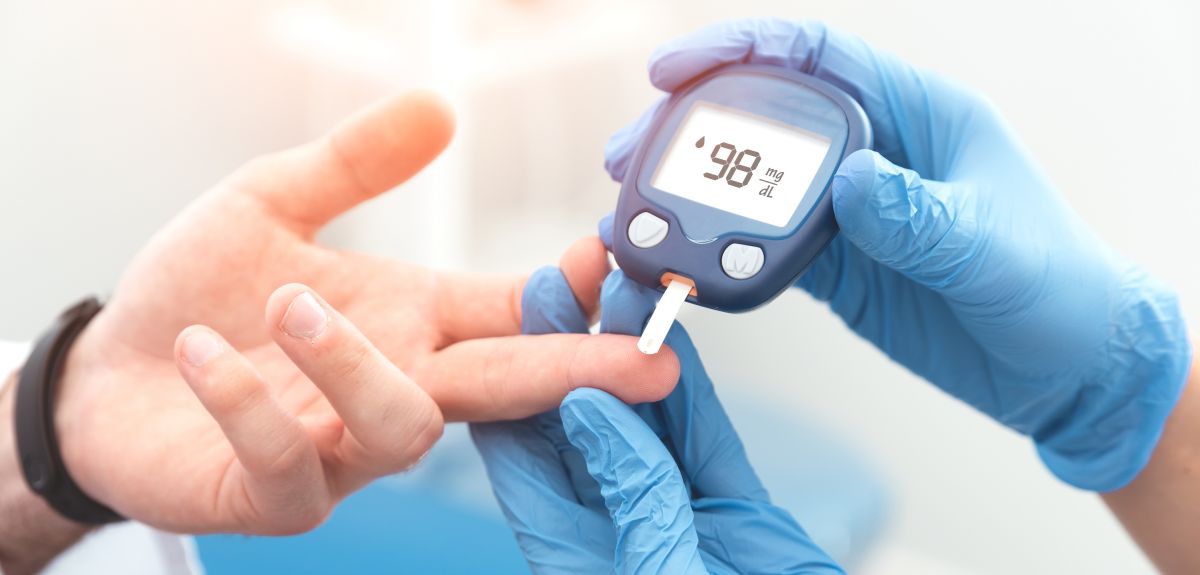
Doctors use several tests to diagnose diabetes:
-
Fasting Blood Sugar Test (FBS)
-
A1C Test (Hemoglobin A1c)
-
Oral Glucose Tolerance Test (OGTT)
-
Random Blood Sugar Test
Treatment for Diabetes
While there is no permanent cure for diabetes, it can be effectively managed through:
-
Medication:
-
Type 1 Diabetes: Requires insulin therapy.
-
Type 2 Diabetes: May involve oral medications like Metformin or injectable drugs, including insulin.
-
-
Lifestyle Changes:
-
Healthy diet (low sugar, balanced carbs)
-
Regular physical activity
-
Weight management
-
Stress reduction
-
-
Monitoring:
-
Regular blood sugar checks
-
Routine medical appointments
-
Management of cholesterol and blood pressure
-
Living with Diabetes and Prevention
Managing diabetes is a lifelong commitment, but a healthy lifestyle can greatly reduce its impact. For people at risk or diagnosed with prediabetes, preventive actions are critical.
Lifestyle Tips for Diabetes Management and Prevention:
-
Eat a balanced diet rich in vegetables, whole grains, lean proteins, and healthy fats
-
Avoid sugary drinks and processed foods
-
Exercise regularly (at least 150 minutes of moderate activity per week)
-
Lose excess weight
-
Quit smoking
-
Limit alcohol consumption
-
Manage stress through mindfulness, meditation, or hobbies
-
Get regular checkups and screenings
For women with gestational diabetes, blood sugar often returns to normal after delivery. However, they should continue monitoring as they remain at higher risk for developing Type 2 diabetes later.
Conclusion
Diabetes is a manageable yet serious condition that requires attention, care, and lifestyle adjustments. Early detection, combined with a proactive approach to diet, exercise, and medication, can lead to a healthy and fulfilling life. Whether you are managing diabetes or looking to prevent it, education and consistent action are the keys to long-term health.