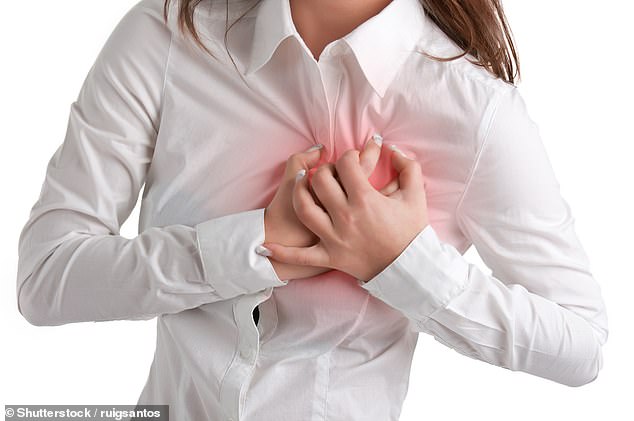
Heart attack in women is a critical medical emergency that occurs when blood flow to a part of the heart muscle is severely reduced or completely blocked, leading to damage or death of heart tissue. While heart disease is often perceived as a male issue, in reality, heart attack in women is the leading cause of death, often more dangerous than in men due to subtle symptoms that are easily overlooked and lead to delayed diagnosis. Early recognition of signs, understanding risks, and implementing preventive measures are key to protecting women’s cardiovascular health.
Symptoms and Risks of Heart Attack in Women
The symptoms of a heart attack in women often differ from those in men, making identification more challenging. While men typically experience intense chest pain, women may experience more subtle signs, easily mistaken for other conditions.
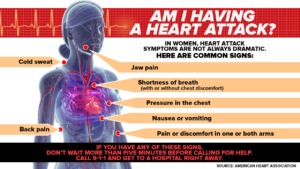
Common symptoms of heart attack in women include:
- Chest discomfort: Although chest pain can occur, women often describe this feeling as pressure, squeezing, or fullness in the chest, rather than sharp pain. The discomfort can last for several minutes or come and go, sometimes spreading to the arm (often the left arm, but can be both), back, neck, jaw, or stomach.
- Shortness of breath: Feeling breathless or gasping for air, even at rest or with minimal exertion, especially when accompanied by fatigue or chest discomfort.
- Unusual fatigue: Feeling extremely tired or weak without a clear reason, even after light activity. This symptom can appear days or even weeks before a heart attack.
- Nausea or vomiting: This symptom is often mistaken for digestive issues.
- Cold sweats: Breaking out in a cold sweat for no apparent reason.
- Dizziness or lightheadedness: Feeling faint or losing balance.
- Pain in other areas: Dull, sometimes sudden sharp pain in the neck, jaw, shoulder, or upper back, often mistaken for muscle aches or nerve pain.
Women are more likely to experience a heart attack without significant blockages in their arteries (non-obstructive coronary artery disease). This further complicates diagnosis and treatment.
High-Risk Groups
Several specific risk factors make women more susceptible to heart attack or present with different disease manifestations:
- Age: The risk significantly increases after menopause, due to declining estrogen levels. Estrogen plays a role in protecting cardiovascular health by regulating cholesterol production. According to statistics, the average age for a first heart attack in women is 72, higher than in men (65.6 years).
- Diabetes: Women with diabetes have a higher risk of heart disease than men with diabetes. Diabetes can also alter how women perceive pain, increasing the risk of “silent” heart attacks.
- Stress and depression: Stress and depression affect women’s hearts more than men’s. Depression can make it difficult to maintain a healthy lifestyle and adhere to treatment plans.
- Smoking: Smoking is a greater risk factor for heart disease in women than in men.
- Family history: If you have a direct family member (parent, sibling) who had heart disease at a young age (before 55), your risk is higher.
- Underlying medical conditions: High blood pressure, high cholesterol, obesity, and chronic kidney disease are also significant risk factors.
Effective Measures to Prevent Heart Attack

Preventing heart attack in women requires a comprehensive approach, focusing on lifestyle changes and controlling risk factors.
Preventive measures include:
- Healthy diet: Focus on a diet rich in fiber, green vegetables, fruits, whole grains, and unsaturated proteins (salmon, mackerel, walnuts). Limit processed foods, fast food, sugary drinks, and reduce salt, sugar, and saturated fats in your daily diet.
- Regular exercise and physical activity: Aim for at least 150 minutes of moderate-intensity physical activity per week (e.g., brisk walking, swimming, cycling, yoga). This helps improve blood circulation, strengthen cardiovascular health, and manage weight.
- Weight management: Maintain a healthy weight through diet and exercise. Even a modest weight loss (just 3-5%) can help lower blood fats, improve blood sugar, and reduce blood pressure.
- Blood pressure and blood sugar control: Regularly monitor and maintain blood pressure and blood sugar at stable levels as advised by your doctor.
- Eliminate bad habits: Completely quit smoking and minimize alcohol consumption. Smoking doubles the risk of cardiovascular disease.
- Stress management: Practice meditation, yoga, deep breathing, or dedicate time to hobbies and relaxation to reduce cortisol levels – the stress hormone.
- Regular health check-ups: Undergo regular cardiovascular check-ups (every 6-12 months) to detect early signs of abnormalities and risk factors, especially if you belong to a high-risk group.
Heart attack in women is a serious health issue, but it is entirely preventable and manageable if recognized and intervened early. Listen to your body, proactively make lifestyle changes, and consult your doctor regularly to protect your heart health.