The question of HIV transmission risk is crucial for anyone engaging in sexual activity, especially when specific conditions like sores are present. When we talk about anal sores HIV exposure, it’s important to understand the significant increase in vulnerability. This article aims to clarify the risks involved when having anal intercourse with a person living with HIV, particularly when there are pre-existing anal lesions or sores. Understanding these dynamics is key to making informed decisions about sexual health and protection.
The Basics of HIV Transmission
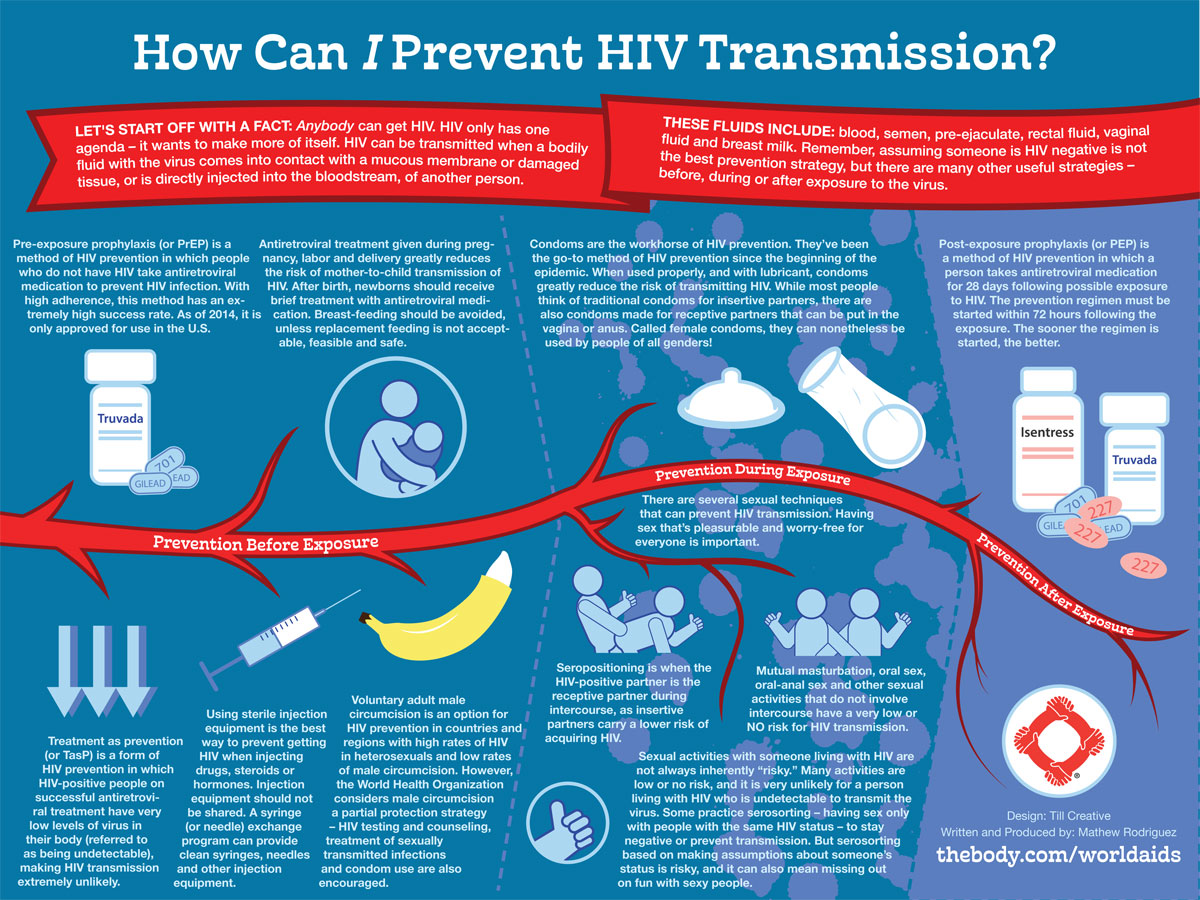
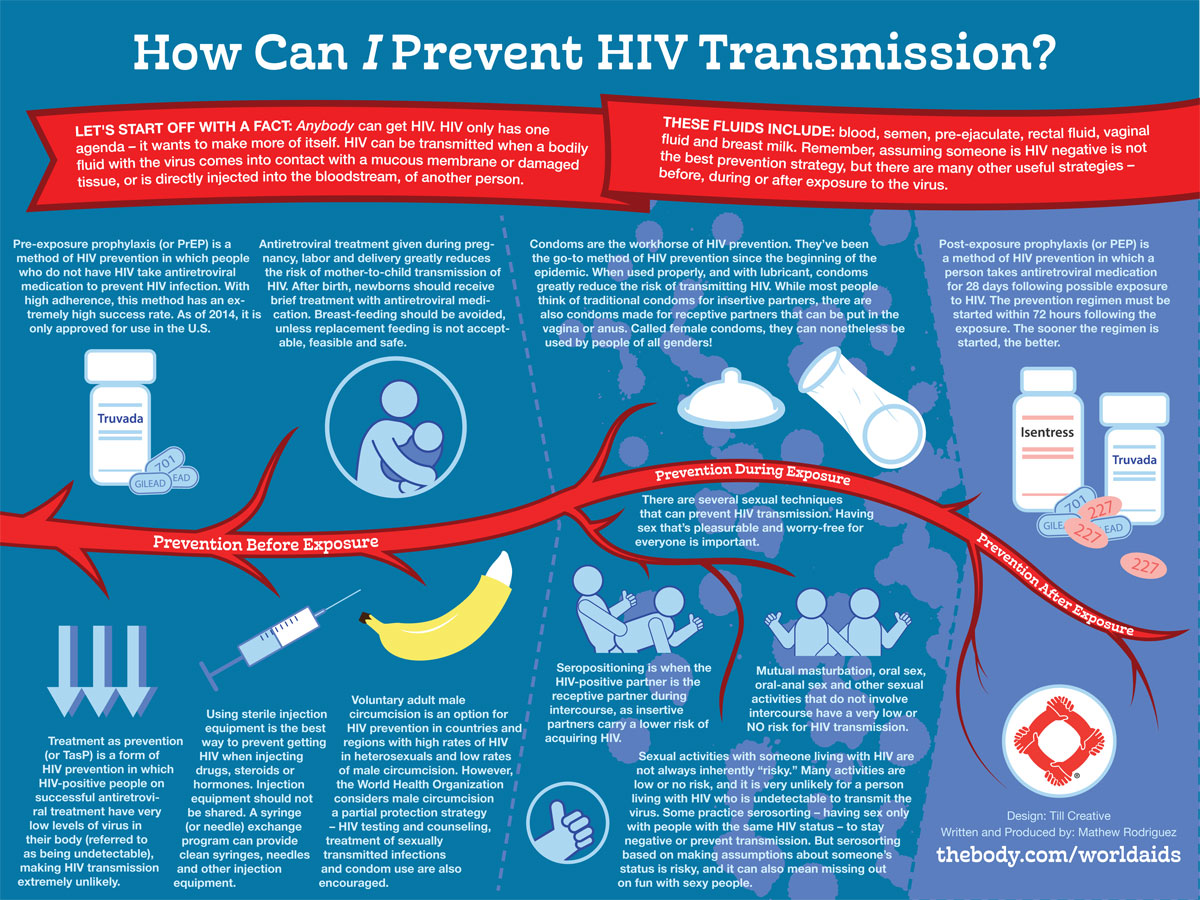
Before delving into the specifics of anal sores HIV exposure, let’s quickly review how HIV is transmitted. The Human Immunodeficiency Virus (HIV) is primarily spread through certain bodily fluids: blood, semen, pre-seminal fluid, rectal fluids, vaginal fluids, and breast milk. For transmission to occur, these fluids must come into contact with a mucous membrane (found in the rectum, vagina, penis, or mouth), damaged tissue (like a cut or sore), or be directly injected into the bloodstream (e.g., through needle sharing).
Anal intercourse carries a higher risk of HIV transmission compared to vaginal or oral sex. This is because the lining of the rectum is thin and delicate, making it more susceptible to tearing or damage during sex, even without pre-existing sores. These tiny tears create direct entry points for the virus.
Why Anal Sores Significantly Increase HIV Exposure Risk
The presence of anal sores HIV exposure drastically elevates the risk of transmission. Here’s why:
- Breaches in the Skin Barrier: Sores, ulcers, or lesions (whether from STIs like herpes or syphilis, hemorrhoids, fissures, or other trauma) represent breaks in the skin’s protective barrier. This creates an open wound, allowing HIV in infected bodily fluids to directly enter the bloodstream of the uninfected partner.
- Increased Viral Load at the Site: If the person living with HIV has an active sore (especially if it’s an STI like herpes), there might be a higher concentration of HIV particles in the fluids produced from that sore, further increasing the risk of transmission to the receptive partner.
- Inflammation and Immune Cells: Sores often come with inflammation, which can attract immune cells (like CD4+ cells) to the site. These are the very cells that HIV targets, essentially providing more “targets” for the virus and potentially facilitating infection.
- Reduced Lubrication and Increased Friction: While not directly caused by sores, conditions that lead to sores can also lead to reduced natural lubrication or increased friction during anal intercourse, which can exacerbate existing sores or create new micro-tears, further increasing vulnerability.
It’s critical to understand that even small, seemingly insignificant sores or micro-tears that may not be visible to the naked eye can significantly increase the risk of anal sores HIV exposure.
Factors Influencing HIV Transmission Risk
Beyond the presence of anal sores HIV exposure, several other factors influence the overall risk of HIV transmission during anal intercourse:
- Viral Load of the Partner with HIV: This is one of the most significant factors. If the partner living with HIV is on effective antiretroviral therapy (ART) and has achieved and maintained an undetectable viral load (meaning the amount of HIV in their blood is too low to be measured), they cannot sexually transmit HIV. This concept is known as Undetectable = Untransmittable (U=U). However, if their viral load is detectable, the risk increases, and the higher the viral load, the higher the risk.
- Use of Condoms: Consistent and correct use of condoms dramatically reduces the risk of HIV transmission by creating a barrier between bodily fluids.
- Use of PrEP (Pre-Exposure Prophylaxis): PrEP is a medication taken by HIV-negative individuals to prevent HIV infection. When taken as prescribed, PrEP is highly effective at preventing HIV from sexual activity.
- Presence of Other STIs: Other sexually transmitted infections (STIs), particularly those causing genital or anal sores (like herpes, syphilis), can significantly increase the risk of both acquiring and transmitting HIV by creating entry points and increasing inflammation.
- Number of Exposures: The more unprotected anal intercourse acts, the higher the cumulative risk.
Prevention and Safe Practices
Given the elevated risks associated with anal sores HIV exposure, practicing safer sex is paramount:
- Communicate Openly: Have honest conversations with your partner about sexual health, HIV status, and any present sores or symptoms.
- Get Tested Regularly: Both partners should get tested regularly for HIV and other STIs. Knowing your status and your partner’s status is crucial.
- Use Condoms Consistently and Correctly: Condoms are highly effective when used properly every time. Use water-based or silicone-based lubricants with latex condoms to prevent breakage.
- Consider PrEP: If you are HIV-negative and engage in anal intercourse, especially if you have partners with a detectable viral load or are unsure of their status, discuss PrEP with a healthcare provider.
- Treat STIs Promptly: Get any anal sores or other STI symptoms diagnosed and treated immediately. Treating STIs not only protects your health but also significantly reduces the risk of HIV transmission.
- Achieve Undetectable Viral Load: For individuals living with HIV, adhering to ART to achieve and maintain an undetectable viral load is the most effective way to prevent sexual transmission.
When to Seek Medical Attention
If you have engaged in anal intercourse with a partner living with HIV and you have anal sores, or if you believe you may have been exposed to HIV, seek medical attention immediately. A healthcare provider can assess your risk and discuss options like Post-Exposure Prophylaxis (PEP). PEP is an emergency medication that can prevent HIV infection if started within 72 hours (preferably within 24-36 hours) after potential exposure.
Understanding the heightened risk of anal sores HIV exposure is critical for protecting your health. By combining open communication, regular testing, effective prevention methods like condoms and PrEP, and prompt treatment of any STIs or sores, you can significantly reduce the risk of HIV transmission and safeguard your sexual well-being.