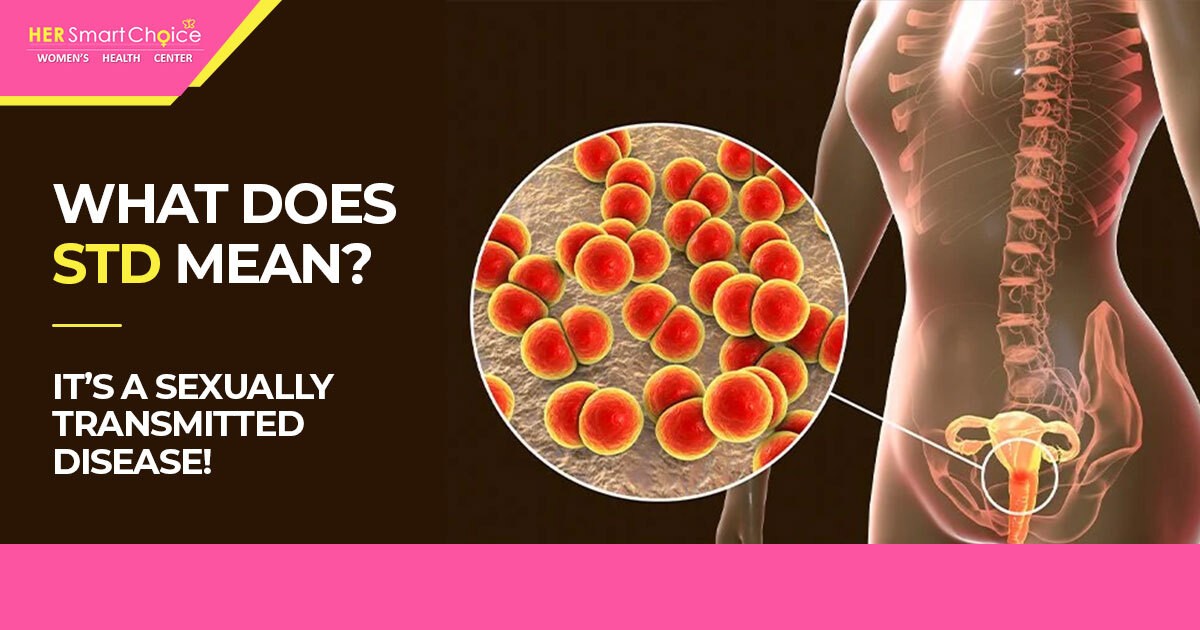
Facing the possibility of a sexually transmitted disease (STD), also known as a sexually transmitted infection (STI), can be overwhelming—but you’re not alone. Millions of people experience it each year, and early action makes all the difference. Here’s a clear guide on how to recognize warning signs and take the right next steps.
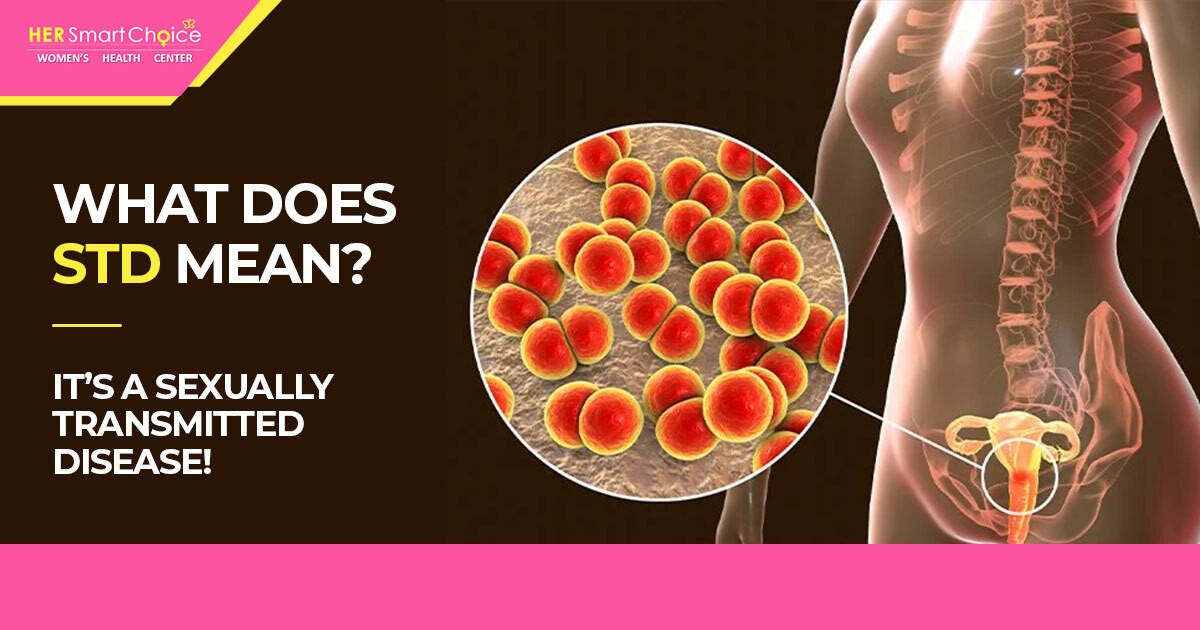
1. Understand That STDs Aren’t Always Obvious
Many STDs don’t show noticeable symptoms—especially in the early stages. This means you might feel perfectly healthy and still be carrying an infection. However, some common early warning signs may include:
General Symptoms to Watch For:
-
Unusual discharge from the vagina, penis, or anus (yellow, green, or foul-smelling)
-
Burning or pain during urination
-
Itching or irritation around the genitals or anus
-
Sores, blisters, or warts on or around the genital area
-
Pain during sex
-
Swollen lymph nodes in the groin
-
Fever, fatigue, or flu-like symptoms
-
Unusual vaginal bleeding (outside of menstruation)
If you notice any of these symptoms—or even if you don’t, but believe you were recently exposed—it’s time to act.

2. Don’t Ignore It. Act Immediately.
When it comes to STDs, time matters. Ignoring the signs can lead to complications like infertility, chronic pain, or increased risk of HIV transmission. Here’s what to do:
Step 1: Stop Sexual Activity Temporarily
Avoid any kind of sexual contact until you’re tested and cleared. This helps prevent the spread of infection.
Step 2: Get Tested
Visit a healthcare provider, sexual health clinic, or community testing center. Ask for a full STD screening. Testing is quick, often painless, and confidential. In many countries, free or low-cost testing is available.
Step 3: Be Honest with the Doctor
Share your symptoms, sexual history, and any recent unprotected encounters. The more accurate the information, the better your diagnosis and care.
3. If You Test Positive
Testing positive for an STD is not the end of the world. It’s more common than people think, and most infections are treatable or manageable.
Start Treatment Immediately
-
Bacterial infections (like chlamydia, gonorrhea, syphilis) can often be cured with antibiotics.
-
Viral infections (like herpes, HIV, HPV, hepatitis B) can be managed with medications to reduce symptoms and transmission risk.
Take All Medication As Prescribed
Even if symptoms improve, finish the full course of treatment. Stopping early can cause the infection to return or become resistant.
Tell Your Sexual Partners
They need to get tested, too. If you’re uncomfortable reaching out directly, ask your clinic if they offer anonymous partner notification services.
4. Long-Term Prevention Tips
Getting treated is only part of the solution. Here’s how to reduce future risks:
-
Use protection every time—condoms and dental dams significantly reduce STD transmission.
-
Limit the number of sexual partners and have regular check-ins on sexual health.
-
Get vaccinated for HPV and hepatitis B if eligible.
-
Schedule regular screenings, even if you feel fine—especially if you’re sexually active with multiple partners.
Remember: Early Action Saves You and Others
Sexually transmitted diseases are medical conditions, not moral judgments. The worst thing you can do is ignore the possibility. If you’re reading this and feeling uncertain, take it as a sign to take care of your health today. Getting tested is private, fast, and often life-saving.