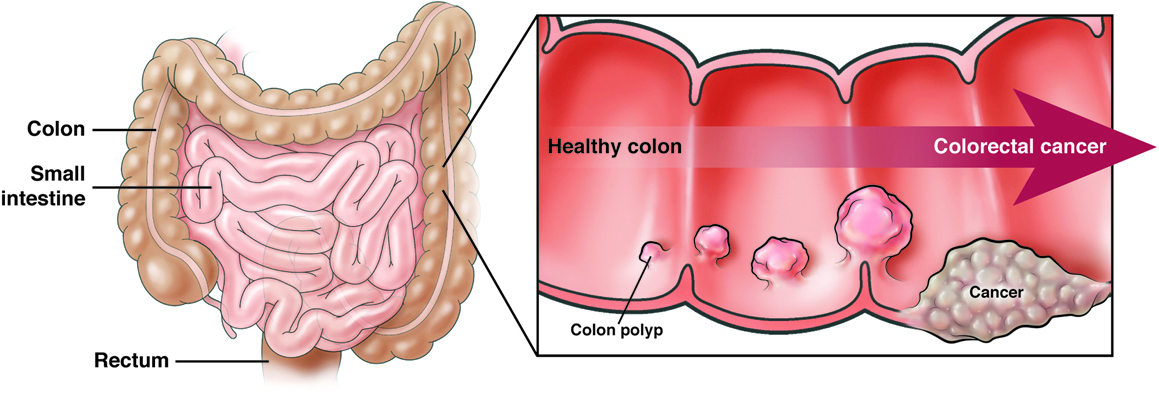
As we age, our bodies whisper signs we sometimes overlook—especially when it comes to diseases that creep in quietly, like colorectal cancer. Often symptomless in its early stages, this form of cancer can become life-threatening if left undetected. The good news? With timely screening, it’s one of the most preventable and treatable cancers, especially for those over 65 years old.
Why People Over 65 Are at Higher Risk
Age is the biggest risk factor for colorectal cancer. In fact, more than 60% of new cases occur in people aged 65 and older. Why? Over time, the colon is exposed to more mutations, inflammation, and dietary triggers. At the same time, the immune system becomes less efficient at detecting abnormal cells.
Women, particularly after menopause, may also have additional risks due to hormonal changes, a history of certain cancers, or lifestyle factors such as low fiber intake and physical inactivity.
The Subtle Symptoms You Shouldn’t Ignore
Colorectal cancer often develops silently. However, some signs may gradually emerge, including:
-
Blood in or on the stool (often not visible to the naked eye)
-
Persistent changes in bowel habits (diarrhea or constipation)
-
Unexplained weight loss
-
Abdominal discomfort or bloating
-
Feeling tired or weak without a clear cause
These symptoms are often mistaken for common digestive issues or aging-related problems—but ignoring them can be dangerous.
How Screening Can Save Lives
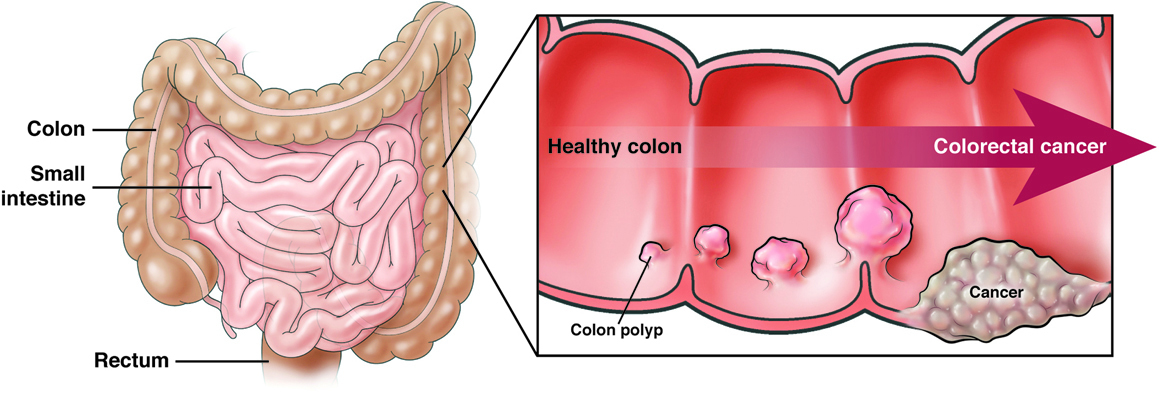
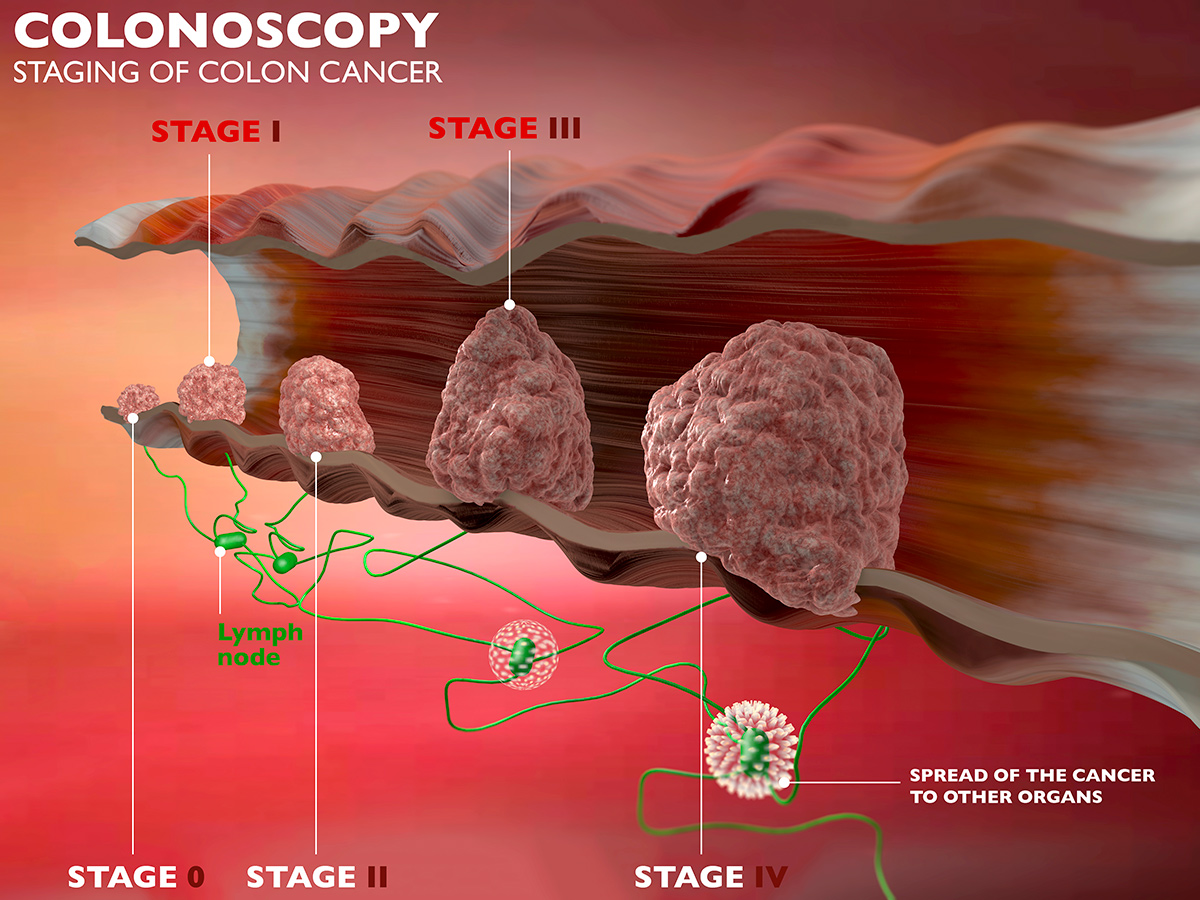
Colorectal cancer typically begins as benign polyps in the colon or rectum, which can take 10–15 years to turn cancerous. This gives a crucial window for detection and removal—but only if screening is done.
There are several types of screening tests:
-
Fecal Immunochemical Test (FIT): Detects hidden blood in the stool. Done yearly.
-
Colonoscopy: A camera examines the entire colon. Recommended every 10 years, or more often if polyps are found.
-
Stool DNA Tests (e.g., Cologuard): Combines FIT with DNA testing for abnormal cells. Every 3 years.
What Do Experts Recommend in the UK and US?
-
United States (USPSTF): Routine screening recommended for adults aged 45 to 75, and continued selectively beyond 75 depending on health status.
-
United Kingdom (NHS): Screening begins at age 60 in England and Wales, with free FIT kits sent every 2 years. Scotland begins at 50.
For those 65 and older, staying consistent with screening schedules becomes more important—not less.
Real Lives, Real Lessons
Margaret, 72, from Ohio, thought her bloating was “just indigestion.” A routine FIT test revealed blood in her stool. A follow-up colonoscopy found a small tumor—caught early. “I didn’t feel sick,” she said. “That screening test saved my life.”
Final Thought: Take the Silent Threat Seriously
Colorectal cancer is often slow-growing—but don’t let that lull you into complacency. After 65, you’ve earned the wisdom to listen to your body and be proactive about your health.
Talk to your doctor about screening options. It’s simple, often free, and could be the decision that saves your life.
Key Takeaways:
-
Colorectal cancer risk rises sharply after 65.
-
Symptoms can be subtle or non-existent in early stages.
-
Screening helps detect and prevent cancer before it becomes deadly.
-
Talk to your healthcare provider about the right test for you.