Protein intake for older adults is far more than a dietary recommendation; it’s a critical strategy for maintaining independence, strength, and overall vitality. As we age, our bodies undergo significant changes that increase the demand for this essential macronutrient. Understanding these physiological shifts and how to adapt your diet accordingly is paramount for healthy aging. This comprehensive guide will delve into the scientific rationale behind increased protein needs, provide clear guidelines, and offer practical, easy-to-understand strategies to ensure you’re getting enough protein.
Why Protein Becomes Even More Crucial with Age: The Science Explained
The need for sufficient protein intake for older adults is rooted in several age-related biological processes:
- Combating Sarcopenia: The Age-Related Muscle Loss:
- What it is: Sarcopenia is the progressive and generalized loss of skeletal muscle mass, strength, and function that occurs with aging. It typically begins around age 30 and accelerates after 60, often leading to reduced mobility, increased risk of falls, and decreased quality of life.
- Protein’s Role: Protein provides the amino acids, the building blocks, necessary for muscle protein synthesis (MPS). Regular protein consumption, especially combined with resistance exercise, stimulates MPS, helping to counteract muscle breakdown and preserve lean muscle mass. Without adequate protein, the body struggles to repair and rebuild muscle tissue effectively.
- Anabolic Resistance:
- What it is: As we age, our muscles become less responsive to the anabolic (muscle-building) signals from protein and exercise. This phenomenon is known as anabolic resistance. It means older adults need a higher amount of protein per meal, or a higher total daily intake, to achieve the same muscle-building response as younger individuals.
- Protein’s Role: To overcome anabolic resistance, increasing both the total daily protein intake and the amount of protein consumed at each meal becomes vital.
- Bone Health and Osteoporosis Prevention:
- Beyond Calcium: While calcium and Vitamin D are widely recognized for bone health, protein also plays a fundamental role. Approximately 50% of bone volume and one-third of bone mass are composed of protein.
- Protein’s Role: Adequate protein intake contributes to bone density and strength by providing the structural matrix upon which minerals are deposited. It also influences the production of IGF-1 (Insulin-like Growth Factor 1), a hormone critical for bone formation. Studies show that sufficient protein, alongside calcium and Vitamin D, can reduce the risk of fractures in older adults.
- Immune System Function:
- Weakening Defenses: The immune system can weaken with age (immunosenescence), making older adults more susceptible to infections.
- Protein’s Role: Antibodies, enzymes, and immune cells are all made from protein. Without enough protein, the body’s ability to mount an effective immune response is compromised, increasing vulnerability to illnesses.
- Wound Healing and Recovery:
- Slower Regeneration: Older adults often experience slower wound healing and longer recovery times after surgery or illness.
- Protein’s Role: Protein is essential for tissue repair and regeneration. Adequate intake speeds up healing processes, helping the body to recover more efficiently from injuries, surgeries, or prolonged bed rest.
- Satiety and Weight Management:
- Appetite Changes: Appetite can decrease with age, sometimes leading to unintentional weight loss and nutrient deficiencies. However, some older adults may also struggle with weight gain due to reduced metabolism and physical activity.
- Protein’s Role: Protein is highly satiating, meaning it helps you feel fuller for longer. This can be beneficial for managing weight by reducing overall calorie intake. For those struggling with poor appetite, nutrient-dense protein sources can ensure vital nutrient consumption without excessive volume.
How Much Protein Do You Really Need? Expert Guidelines
While the general recommended daily allowance (RDA) for protein is 0.8 grams per kilogram of body weight for adults, this guideline is often considered insufficient for older adults due to anabolic resistance and sarcopenia.
Leading health organizations and nutrition experts, particularly those focused on aging, now recommend a higher intake for protein intake for older adults:
- General Recommendation: Aim for at least 1.0 to 1.2 grams of protein per kilogram of body weight per day.
- For example, a person weighing 70 kg (154 lbs) would need 70-84 grams of protein daily.
- During Illness or Recovery: Needs can be even higher, sometimes up to 1.5 grams per kilogram, to support healing and prevent further muscle loss.
- Target Per Meal: It’s also crucial to distribute protein intake throughout the day. Aim for 25-30 grams of high-quality protein at each main meal (breakfast, lunch, and dinner) to maximize muscle protein synthesis.
Are You Getting Enough? A Self-Assessment
To help assess your current protein intake for older adults, ask yourself these questions:
- Do you consciously include a significant source of protein in every main meal?
- Yes: Great! You’re likely on the right track.
- No: Consider adding protein to meals that might currently be carbohydrate-heavy (e.g., adding eggs to toast, chicken to a salad, or beans to rice).
- Are you experiencing any unexplained muscle weakness, fatigue, or slow recovery from minor injuries?
- These can be subtle signs of insufficient protein or nutrient intake.
- Do you prioritize high-quality protein sources?
- Not all proteins are created equal. High-quality (or complete) proteins contain all nine essential amino acids that the body cannot produce on its own.

Practical Strategies to Boost Your Protein Intake
Ensuring adequate protein intake for older adults doesn’t have to be complicated. Here are practical, easy-to-implement strategies:
- Prioritize Protein at Breakfast:
- Instead of just toast or cereal, opt for scrambled eggs, Greek yogurt (plain, high-protein), cottage cheese, or a protein smoothie with milk or protein powder.
- Smart Snacking:
- Choose protein-rich snacks like a handful of nuts or seeds, a hard-boiled egg, cheese sticks, or edamame.
- Diversify Your Sources:
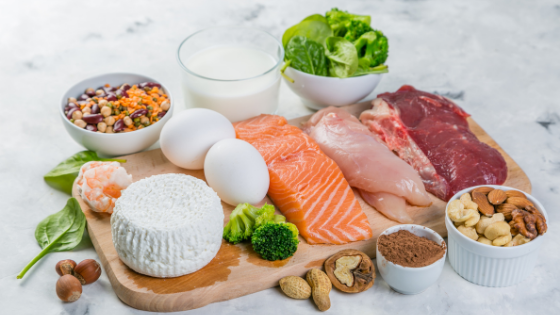
- Animal Proteins: Lean meats (chicken breast, turkey), fish (salmon, tuna, cod), eggs, dairy products (milk, yogurt, cheese). These are complete proteins and highly bioavailable.
- Plant Proteins: Lentils, chickpeas, black beans, tofu, tempeh, quinoa, edamame. Combining different plant proteins (e.g., rice and beans) can create complete protein profiles.
- Incorporate Protein Powder (If Needed):
- For those with a low appetite, chewing difficulties, or very high protein needs, a good quality whey (dairy-based) or plant-based (pea, soy) protein powder can be an easy way to boost intake. Add it to smoothies, oatmeal, or even soups. [External Link to Protein Powder for Seniors]
- Batch Cooking and Meal Prep:
- Cook larger batches of chicken, fish, or lentils at the beginning of the week to easily add to meals later.
- Fortify Your Foods:
- Add powdered milk or protein powder to mashed potatoes, soups, or stews. Sprinkle nutritional yeast (a good source of B vitamins and some protein) onto dishes.
Beyond Protein: A Holistic View
While protein intake for older adults is vital, it’s part of a larger picture. A balanced diet rich in fruits, vegetables, whole grains, and healthy fats (like those found in the Mediterranean diet) is crucial for providing essential vitamins, minerals, and fiber. Adequate hydration and regular physical activity, particularly resistance training, are equally important partners to protein in maintaining muscle mass and overall health. Consult with a healthcare professional or a registered dietitian for personalized dietary advice, especially if you have underlying health conditions.