Healthy Eating for Older Adults is not merely about sustenance; it is a cornerstone of maintaining vitality, independence, and overall well-being as the years progress. As our bodies age, nutritional needs evolve, making mindful dietary choices more crucial than ever. A well-planned diet can significantly mitigate age-related health challenges, from preserving muscle and bone strength to enhancing cognitive function and boosting immunity. This comprehensive guide delves into the essential principles of nutrition designed specifically to empower seniors to live their healthiest, most fulfilling lives.
The quality of one’s diet directly impacts energy levels, disease prevention, and even mood. To assess if your current eating habits align with optimal health as you age, consider these three foundational questions, emphasized by leading nutrition experts:
1. Are You Consuming Sufficient Protein? The Cornerstone of Strength
One of the most critical aspects of Healthy Eating for Older Adults is ensuring adequate protein intake. As we age, a natural process called sarcopenia, the gradual loss of muscle mass and strength, accelerates. This can lead to decreased mobility, increased risk of falls, and slower recovery from illness or injury. Compounding this, appetite often diminishes with age, making it challenging to consume enough calories and nutrients.
To combat sarcopenia and support bone health, it is vital to aim for at least 60 grams of high-quality protein daily. This target can be achieved through various sources:
- Animal Proteins: Lean meats (chicken, turkey, lean beef), fish (salmon, tuna, cod, especially rich in Omega-3s), eggs (a complete protein source), and dairy products (Greek yogurt, cottage cheese, milk, cheese).
- Plant-Based Proteins: Legumes (lentils, chickpeas, black beans), tofu, tempeh, edamame, nuts, and seeds (chia, flax, pumpkin).
- Strategies for Intake: Incorporate protein into every meal. For example, add Greek yogurt to breakfast, a handful of nuts as a snack, or lean protein sources to lunch and dinner. Protein shakes can also be a convenient supplement if appetite is low. [External Link to Protein Benefits for Seniors]
2. Is Your Food for Enjoyment or Fuel? Finding Nutritional Balance
The relationship with food often shifts over a lifetime. While enjoying food is undoubtedly a pleasure, for Healthy Eating for Older Adults, it’s crucial to strike a balance between indulgence and nourishment. A guiding principle is the “80% fuel, 20% enjoyment” rule. This means that roughly 80% of your food intake should consist of nutrient-dense, well-balanced choices that actively fuel your body, providing essential vitamins, minerals, and macronutrients. The remaining 20% can be allocated to treats and foods enjoyed purely for pleasure, without guilt, as part of a sustainable eating pattern. This approach promotes mindful eating, helping you savor both nourishing foods and occasional delights without derailing your health goals.
3. Are Empty Calories Dominating Your Diet? The Pitfall to Avoid
Empty calories refer to foods that provide calories primarily from sugar and unhealthy fats, with little to no nutritional value (vitamins, minerals, fiber). For Healthy Eating for Older Adults, minimizing these is paramount. Consuming items like soft drinks, most packaged junk food (crisps, highly processed snacks), and excessive sweets can lead to:
- Nutrient Deficiencies: Filling up on empty calories leaves less room for nutrient-rich foods, potentially leading to deficiencies.
- Weight Gain: These foods are often high in calories but low in satiety, promoting overeating and unhealthy weight gain.
- Increased Hunger: The rapid spike and crash in blood sugar from sugary foods can paradoxically make you feel hungrier soon after eating.
- Inflammation: Many processed foods contribute to chronic inflammation, a known factor in various age-related diseases.
Embracing the Mediterranean Diet: A Blueprint for Longevity
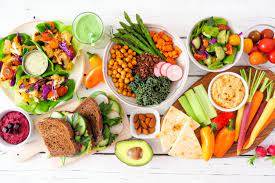
For seniors aiming for optimal health, the Mediterranean-style diet stands out as an exemplary dietary pattern. This eating approach, rooted in the traditional diets of countries bordering the Mediterranean Sea, is naturally rich in wholefoods and offers a wealth of benefits. Its core components are ideally suited for Healthy Eating for Older Adults:
- Abundant Colorful Vegetables: A wide variety of non-starchy vegetables (leafy greens, bell peppers, broccoli, carrots, tomatoes) provide antioxidants, vitamins, minerals, and fiber.
- Legumes: Lentils, chickpeas, beans, and peas are excellent sources of plant-based protein, fiber, and complex carbohydrates.
- High-Quality Proteins: Prioritizes fish and poultry over red meat, with eggs, tofu, and moderate amounts of cheese also included.
- Healthy Fats: Extra virgin olive oil is the primary fat source, alongside avocados, nuts (almonds, walnuts), and seeds (flax, chia), which provide essential fatty acids beneficial for heart and brain health.
- Whole Grains: Opt for whole grains over refined grains (e.g., whole oats, brown rice, quinoa, whole-wheat bread) for sustained energy and fiber. [External Link to Mediterranean Diet Benefits]
The Power of Fermented Foods and a Healthy Gut Microbiome
Beyond general food groups, incorporating fermented foods is a key aspect of Healthy Eating for Older Adults for enhanced gut health. Fermented foods like kimchi, sauerkraut, natural Greek yogurt (unsweetened), and kefir are teeming with beneficial live bacteria (probiotics). A healthy gut microbiome – the trillions of microorganisms residing in your digestive tract – is increasingly recognized as central to overall health, impacting everything from immunity and digestion to mood and cognitive function. A balanced gut flora can improve nutrient absorption, boost the immune system, and may offer protection against chronic diseases such as obesity, type 2 diabetes, and cardiovascular disease.
Five easy ways to cultivate a thriving gut microbiome:
- Broaden Your Dietary Horizons: Actively diversify your intake with new non-starchy vegetables, healthy fats, various legumes, and diverse protein sources. Avoid monotonous eating habits.
- Increase Fiber Intake: Fiber acts as a prebiotic, feeding beneficial gut bacteria. Excellent sources include broccoli, chickpeas, asparagus, lentils, oats, and small amounts of berries and apples.
- Boost Probiotics and Prebiotics:
- Prebiotics: Found in foods like onions, garlic, asparagus, bananas, and oats. These are indigestible fibers that nourish your gut bacteria.
- Probiotics: Consume probiotic-rich fermented foods like live-culture yogurt, kimchi, kefir, sauerkraut, and tempeh regularly.
- Eat More Fermented Foods: Make these a regular part of your diet. They introduce healthy bacteria that can help suppress the growth of disease-causing bacteria in the gut.
- Prioritize Quality Sleep: Emerging research indicates a strong link between good sleep hygiene and a healthier, more diverse gut microbiome. Aim for consistent, restorative sleep. [External Link to Gut Health Importance]
What to Limit or Avoid: Safeguarding Your Health
While focusing on nutrient-rich foods is crucial, knowing what to limit or avoid is equally important for Healthy Eating for Older Adults:
- Trans Fats: These artificial fats, found in many processed foods like packaged biscuits, cakes, pastries, and fried items, are detrimental to cardiovascular health. They clog arteries, raise LDL (“bad”) cholesterol, and significantly increase the risk of heart attacks and strokes. Always check food labels for “partially hydrogenated oils.”
- High Sugar Intake: Excessive consumption of added sugars, prevalent in confectionery, sugar-sweetened beverages (sodas, fruit drinks), and many processed foods, contributes to systemic inflammation, accelerates cellular aging, and increases the risk of type 2 diabetes, heart disease, and cognitive decline. Opt for natural sweetness from fruits or use natural sweeteners sparingly.
Hydration: The Often Overlooked Vital Nutrient
Proper hydration is critically important for Healthy Eating for Older Adults. As bodies age, the sensation of thirst can diminish, and the body’s ability to retain water may decrease, making seniors more susceptible to dehydration. Dehydration can lead to fatigue, confusion, dizziness, and exacerbate existing health conditions. Aim for at least eight cups (approximately 2 liters) of water daily, even if you don’t feel thirsty. Other hydrating beverages include herbal teas, diluted fruit juices (in moderation), and broths.
Alcohol: A Moderate Approach
Limiting alcohol intake is generally recommended for seniors. Alcohol contains hidden sugars, contributes to dehydration, and can interact negatively with many medications. Chronic alcohol consumption can also accelerate aging processes and negatively impact liver and brain health. Consult your doctor for personalized advice on alcohol consumption.
In summary, adopting a pattern of Healthy Eating for Older Adults that emphasizes whole, unprocessed foods, ample protein, diverse plant matter, healthy fats, and good hydration, coupled with a focus on gut health, is the most powerful strategy for promoting longevity and a vibrant, independent lifestyle.