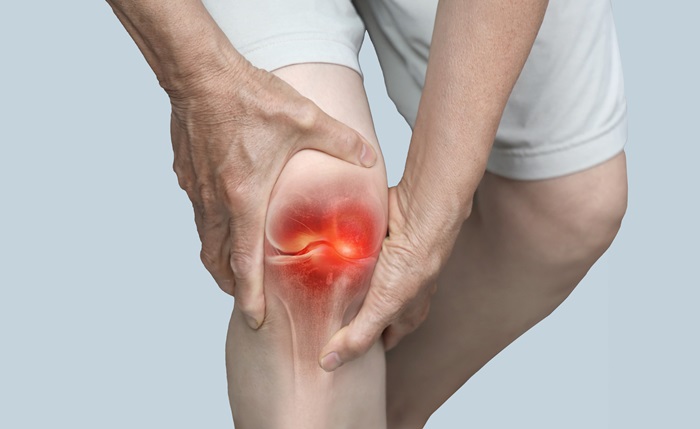
Healthy joints are essential for maintaining your independence, mobility, and overall quality of life—especially as you age. Whether you’re walking in the park, playing with your grandchildren, or simply getting up from a chair, your joints are constantly at work. But over time, they can experience wear and tear, inflammation, or stiffness if not properly cared for.
The good news is: joint pain and mobility issues are not an inevitable part of aging. By making smart lifestyle choices today, you can protect your joints and keep them functioning well into the future. Below are seven proven strategies to keep your joints strong, flexible, and pain-free for life.
1. Stay Active with Gentle, Consistent Movement
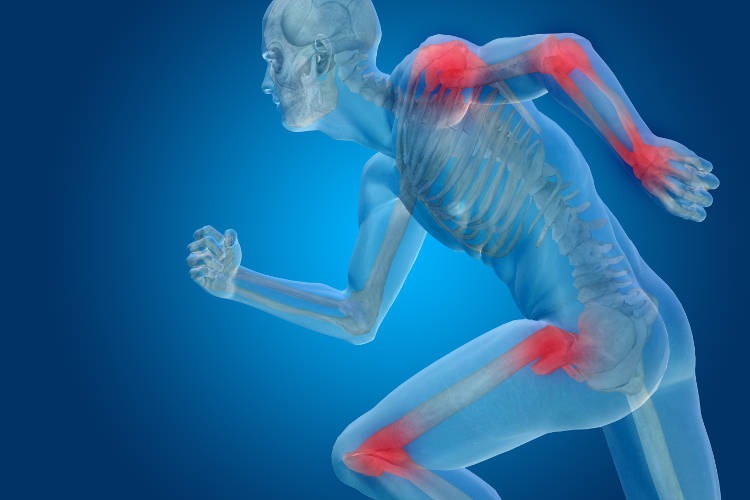
Regular physical activity is one of the most effective ways to keep joints healthy. Movement increases the circulation of synovial fluid, which lubricates the joints and keeps the cartilage nourished and pliable. In contrast, a sedentary lifestyle can lead to joint stiffness, muscle weakening, and decreased flexibility.
You don’t need to engage in intense workouts to benefit. Low-impact exercises like walking, swimming, tai chi, and cycling are excellent for maintaining joint mobility without putting excessive strain on them. Aim for at least 30 minutes of moderate movement most days of the week.
Warming up before activity and stretching afterward helps protect your joints from injury and keeps muscles flexible. Always listen to your body—if a movement causes pain (beyond mild discomfort), stop and consult a healthcare provider.
2. Maintain a Healthy Weight
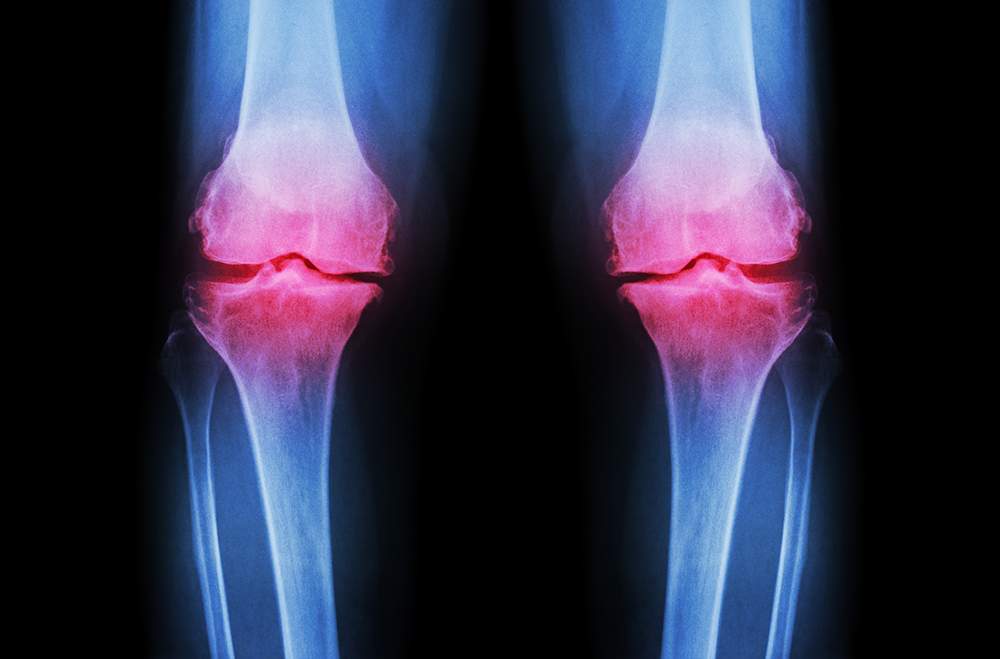
Carrying excess weight puts significant pressure on your joints, particularly the knees, hips, and lower back. In fact, for every extra pound you carry, your knees absorb about four additional pounds of pressure during movement. Over time, this can accelerate cartilage breakdown and increase the risk of developing osteoarthritis.
Maintaining a healthy body weight through a balanced diet and regular physical activity can significantly reduce joint stress, alleviate pain, and improve mobility. Even modest weight loss—just 5% to 10% of your total body weight—can produce meaningful improvements in joint health and function.
3. Strengthen the Muscles Around Your Joints
Strong muscles act as shock absorbers for your joints, reducing the load they have to bear and protecting them from damage. When the muscles around a joint are weak, the joint is more vulnerable to injury and misalignment.
Incorporate strength-training exercises at least two times per week, focusing on major muscle groups including your legs, core, and back. You don’t need a gym—resistance bands, bodyweight movements (like squats or wall push-ups), or light dumbbells at home can all be effective. If you’re new to strength training, consider consulting a physical therapist or certified trainer for guidance.
4. Protect Your Joints During Daily Activities
How you move and carry yourself throughout the day can greatly affect joint health over time. Using proper body mechanics while lifting, bending, or reaching can prevent unnecessary strain.
Try to keep objects close to your body when lifting and avoid twisting at the waist. Use your legs instead of your back to lift heavy items. If you work at a desk or do repetitive tasks, consider using ergonomic furniture and tools to support joint-friendly posture. Taking frequent breaks and stretching can also reduce joint fatigue.
5. Stay Well Hydrated
Your joints are made up of cartilage that contains a high percentage of water. When you’re dehydrated, cartilage becomes less effective at absorbing shock, increasing the risk of friction and pain during movement.
Make hydration a daily priority. Aim to drink six to eight cups of water each day, more if you are active or live in a hot climate. Water-rich foods like fruits, vegetables, and soups can also contribute to your fluid intake. Limit your intake of caffeine and alcohol, as they can contribute to dehydration.
6. Nourish Your Joints Through a Joint-Friendly Diet
What you eat plays a major role in your joint health. A diet rich in anti-inflammatory nutrients can help reduce joint pain and prevent future problems.
Omega-3 fatty acids, found in fatty fish like salmon and sardines, help combat inflammation. Leafy greens, berries, nuts, and seeds provide powerful antioxidants that protect your joint tissues. Vitamin C helps your body build collagen, an important component of cartilage. Vitamin D and calcium are essential for bone strength, which in turn supports healthy joints.
On the other hand, processed foods high in sugar, trans fats, and refined carbs can promote inflammation and should be limited. Consider speaking with a registered dietitian to develop a personalized plan that supports joint health and overall well-being.
7. Pay Attention to Early Warning Signs
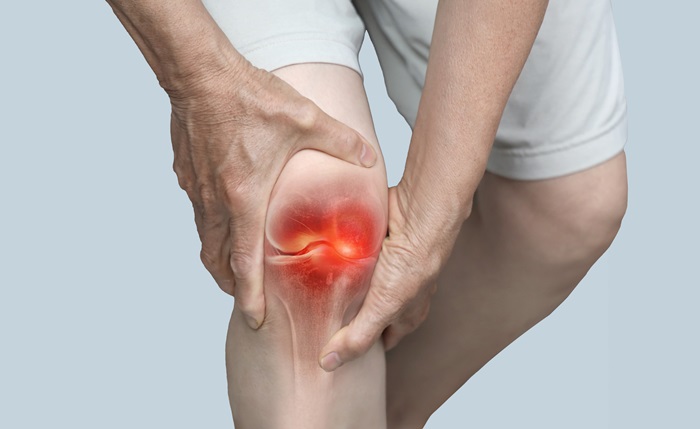
Joint pain, stiffness, or swelling are not things to ignore. These could be signs of an underlying condition like arthritis, bursitis, or tendonitis. The earlier you address joint issues, the easier they are to treat and manage.
If you notice that pain persists for more than a few days, interferes with your daily activities, or worsens over time, seek medical attention. Your healthcare provider may recommend physical therapy, imaging tests, or lifestyle changes to prevent long-term damage.
Being proactive and responsive to your body’s signals can make a significant difference in maintaining lifelong joint health.
Conclusion
Your joints are vital to your independence, comfort, and freedom of movement. The steps you take today—moving regularly, eating wisely, staying strong, and listening to your body—can preserve joint health for decades to come.
No matter your age, it’s never too early or too late to start protecting your joints. With consistent care, you can enjoy an active, pain-free life and do the things you love for years ahead.