Gastric reflux weight loss is a symptom that should never be ignored. While occasional heartburn or indigestion is common, persistent gastroesophageal reflux disease (GERD) can lead to a range of complications, and when accompanied by unexplained weight loss, it raises a significant red flag. This combination can indicate not just poorly managed reflux but potentially more serious underlying health issues. Understanding the mechanisms behind gastric reflux weight loss and its dangerous implications is crucial for timely diagnosis and intervention.
What is Gastric Reflux (GERD)?
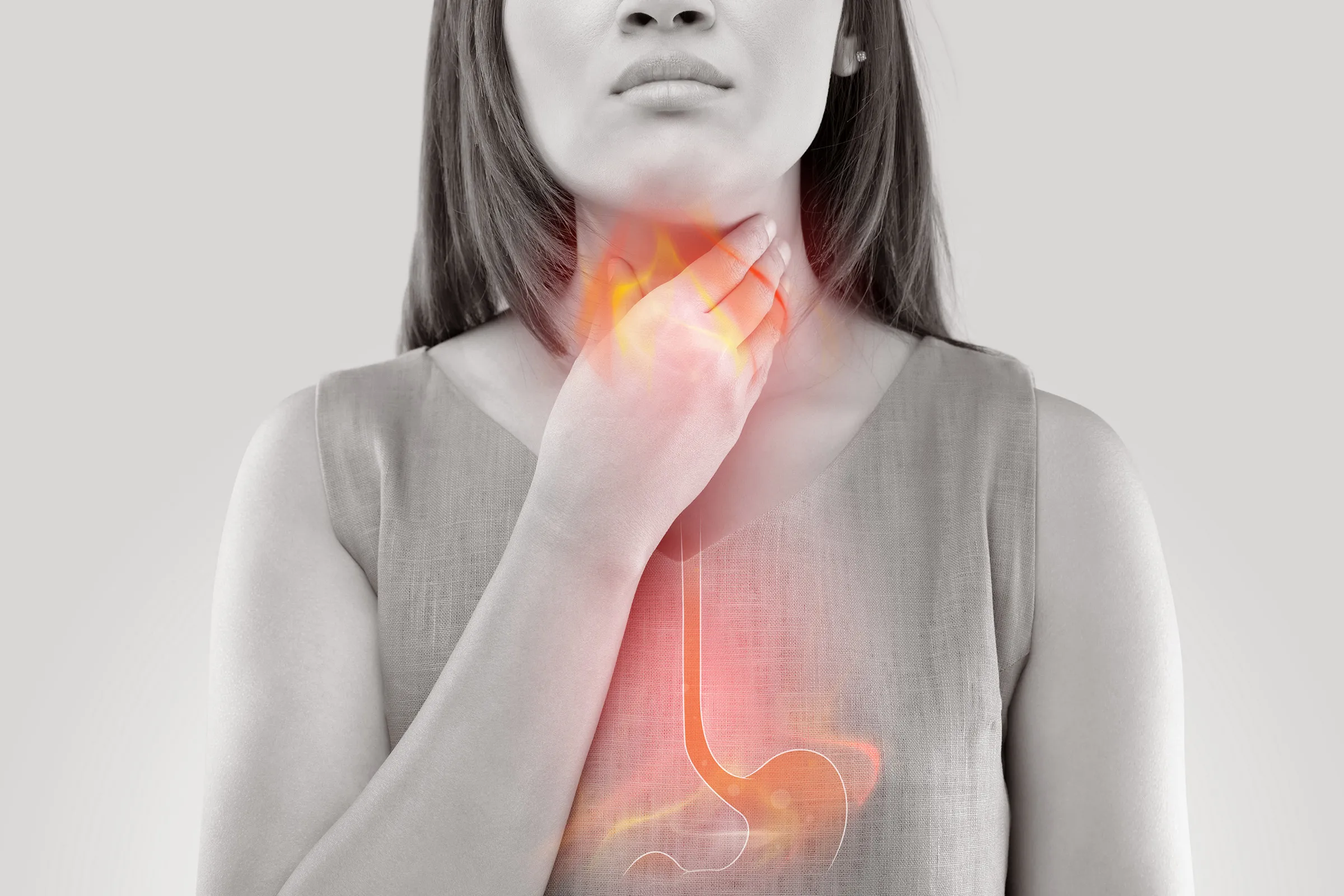
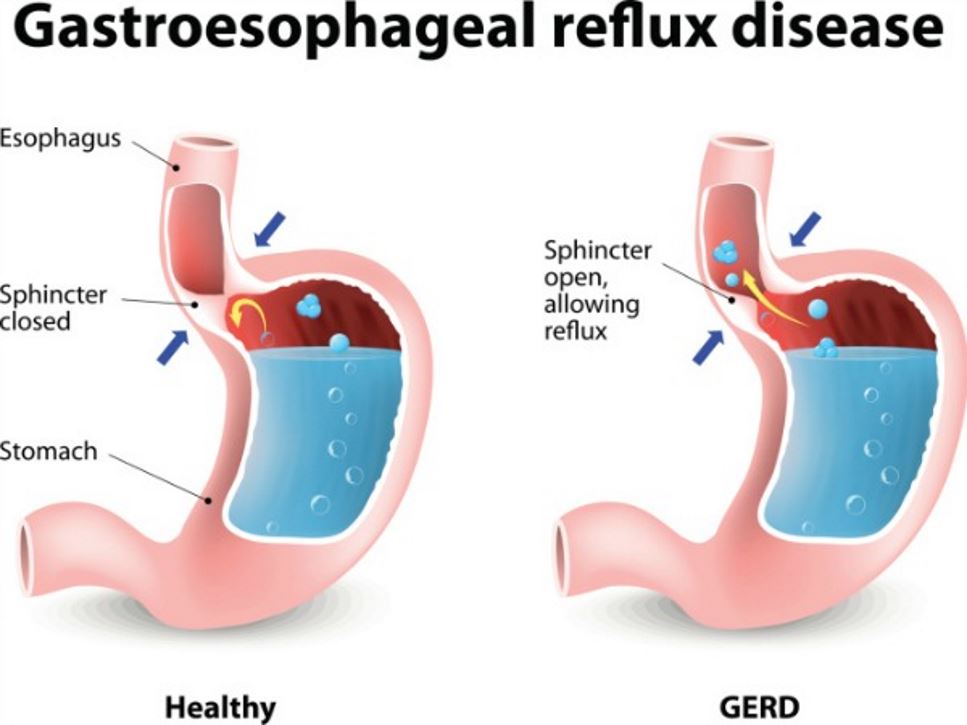
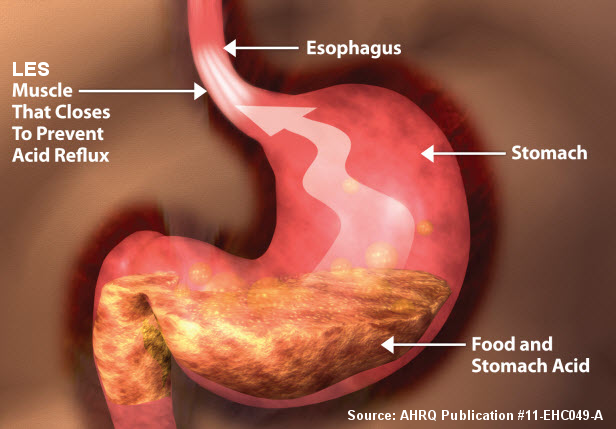
Gastric reflux, commonly known as acid reflux or GERD, occurs when stomach acid frequently flows back into the tube connecting your mouth and stomach (esophagus). This backwash irritates the lining of your esophagus, causing symptoms like heartburn, chest pain, regurgitation of food or sour liquid, and difficulty swallowing. While many people experience occasional acid reflux, GERD is diagnosed when these symptoms occur at least twice a week or interfere with daily life.
Why Does Gastric Reflux Weight Loss Occur?
When gastric reflux weight loss happens, it’s typically not a direct result of the body burning more calories. Instead, it’s often a consequence of several factors related to the discomfort and complications of severe or long-standing GERD:
- Reduced Food Intake Due to Pain and Discomfort: The most common reason for gastric reflux weight loss is that individuals start eating less. The constant heartburn, chest pain, and regurgitation make eating an unpleasant experience. Many people develop an aversion to food or specific food groups that trigger their symptoms, leading to an inadequate calorie intake.
- Difficulty Swallowing (Dysphagia): Chronic acid exposure can lead to inflammation and scarring of the esophageal lining, narrowing the esophagus. This condition, called an esophageal stricture, makes it physically difficult and painful to swallow food, further limiting intake.
- Fear of Eating (Food Aversion): Patients may develop a psychological fear of eating due to the anticipation of pain or discomfort. This “food aversion” can significantly impact nutritional intake over time.
- Malabsorption (Less Common): While less direct, severe, chronic inflammation in the esophagus can sometimes be associated with broader digestive issues that might impair nutrient absorption, though this is not the primary driver of weight loss in most GERD cases.
- Underlying Severe Complications: In some instances, gastric reflux weight loss isn’t just from reduced eating but signals that the reflux has led to more severe conditions, such as precancerous changes or even esophageal cancer. The weight loss, in this context, becomes a symptom of the advanced disease itself.
The Dangerous Implications of Gastric Reflux Weight Loss
Unexplained weight loss in the context of GERD is a critical warning sign that warrants immediate medical attention. The dangers associated with gastric reflux weight loss include:
- Malnutrition and Nutrient Deficiencies: Prolonged inadequate food intake leads to a deficiency in essential vitamins, minerals, and macronutrients. This can result in fatigue, weakened immune system, muscle wasting, bone density loss, and overall decline in health.
- Progressive Esophageal Damage: Chronic inflammation from acid reflux can lead to:
- Esophagitis: Severe inflammation that can cause ulcers and bleeding.
- Esophageal Strictures: Narrowing of the esophagus due to scar tissue, making swallowing increasingly difficult and painful.
- Barrett’s Esophagus: A precancerous condition where the normal lining of the esophagus is replaced by tissue similar to the lining of the intestine. This transformation significantly increases the risk of esophageal cancer.
- Esophageal Cancer: Persistent, untreated GERD is a major risk factor for esophageal adenocarcinoma, a particularly aggressive form of cancer. Unintentional weight loss is a classic symptom of advanced esophageal cancer.
- Worsening Quality of Life: The constant pain, anxiety about eating, and physical decline from weight loss can severely impact a person’s quality of life, leading to social isolation and depression.
- Masking Other Conditions: Relying solely on a GERD diagnosis for weight loss can lead to overlooking other serious conditions that also cause weight loss, such such as inflammatory bowel disease, thyroid disorders, or other gastrointestinal cancers.
When to Be Concerned: Symptoms Beyond Typical Reflux
If you experience GERD symptoms along with any of the following, seek medical help without delay, as these may signal severe complications or necessitate urgent investigation into the causes of your gastric reflux weight loss:
- Unintentional and Significant Weight Loss: Losing weight without trying through diet or exercise.
- Persistent Difficulty Swallowing (Dysphagia): Feeling like food gets stuck in your throat or chest.
- Painful Swallowing (Odynophagia): Sharp pain when swallowing.
- Vomiting Blood or Passing Black, Tarry Stools: These are signs of internal bleeding.
- Persistent Hoarseness, Chronic Cough, or Worsening Asthma: Acid reflux can affect the vocal cords and airways.
- New or Worsening Chest Pain Unrelated to Heart Issues.
Diagnosis and Treatment of GERD with Weight Loss
Diagnosing the cause of gastric reflux weight loss requires a thorough medical evaluation.
- Endoscopy (EGD): A procedure where a thin, flexible tube with a camera is inserted down the throat to visualize the esophagus, stomach, and duodenum. This can identify inflammation, ulcers, strictures, or precancerous changes (like Barrett’s esophagus) and allow for biopsies.
- pH Monitoring: Tests like 24-hour pH monitoring or Bravo capsule monitoring measure how much acid is refluxing into the esophagus and for how long.
- Barium Swallow: An X-ray of the upper digestive tract that can reveal structural abnormalities.
Treatment for GERD with weight loss focuses on managing the reflux, addressing complications, and ensuring adequate nutrition:
- Lifestyle Modifications: Dietary changes (avoiding trigger foods), smaller frequent meals, avoiding eating close to bedtime, elevating the head of the bed, and weight management.
- Medications:
- Proton Pump Inhibitors (PPIs): Strong acid reducers (e.g., omeprazole, pantoprazole).
- H2 Blockers: Another class of acid reducers (e.g., famotidine).
- Prokinetics: Medications that help empty the stomach faster.
- Endoscopic Procedures/Surgery: For severe cases, such as strictures, endoscopic dilation may be performed. For chronic, severe GERD unresponsive to medication, surgical options like Nissen fundoplication may be considered. For Barrett’s esophagus or early-stage cancer, specialized endoscopic treatments like radiofrequency ablation are available.
- Nutritional Support: Working with a dietitian to ensure adequate calorie and nutrient intake.
Gastric reflux weight loss is a serious symptom that demands prompt medical attention. It is a vital indicator that chronic acid exposure is causing significant damage or that a more severe underlying condition may be present. Do not delay in consulting a healthcare professional if you experience this dangerous combination to ensure early diagnosis and effective management.