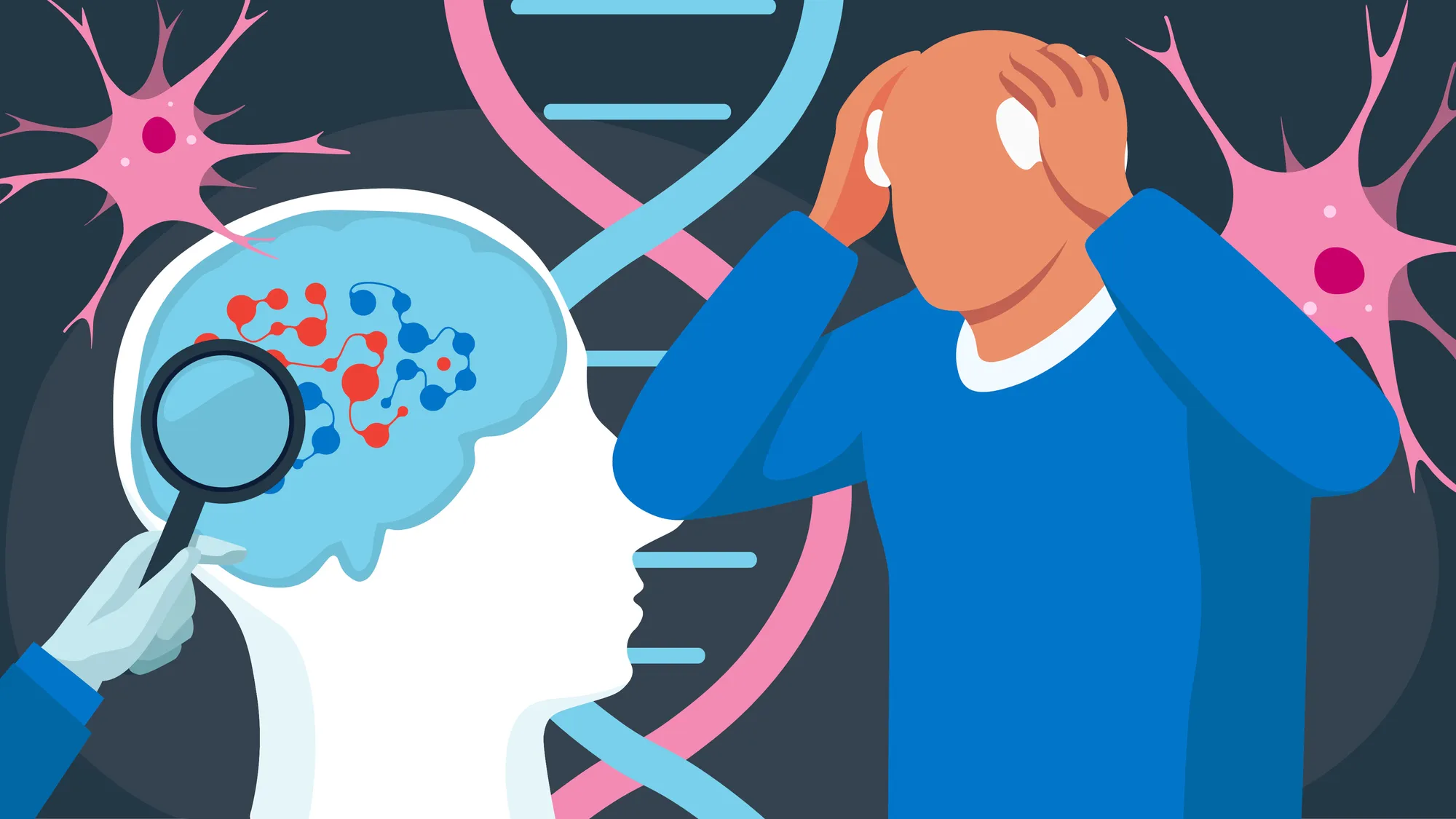
Dementia and Alzheimer’s disease represent escalating global health challenges, profoundly impacting individuals, families, and healthcare systems worldwide. A clear understanding of their nature, symptoms, and risk factors is the first step toward effective mitigation. More importantly, we’ll explore advanced prevention strategies, empowering everyone to proactively safeguard their brain health against these debilitating conditions.

Understanding Dementia: More Than Just Ordinary Forgetfulness
Dementia is an umbrella term encompassing a group of symptoms characterized by a decline in cognitive abilities severe enough to interfere with daily life. It isn’t a single disease itself but rather the result of various underlying medical conditions affecting the brain. It’s crucial to emphasize that dementia is not an inevitable part of normal aging, although age is the most significant risk factor.
Common Types of Dementia:
- Alzheimer’s Disease: The most prevalent cause, accounting for 60-80% of cases.
- Vascular Dementia: Occurs due to damage to blood vessels in the brain, often linked to strokes or issues with brain blood flow.
- Lewy Body Dementia (DLB): Characterized by the buildup of alpha-synuclein protein in the brain, leading to cognitive, motor (Parkinson-like), and hallucinatory symptoms.
- Frontotemporal Dementia (FTD): Primarily affects behavior, personality, and language, often striking at a younger age.
- Mixed Dementia: When an individual has more than one type of dementia simultaneously (e.g., Alzheimer’s and vascular).
Early Warning Signs of Dementia:
Early recognition is key to timely intervention. Pay close attention to these unusual changes:
- Memory loss that disrupts daily life: Forgetting names of loved ones, familiar places, or important information.
- Challenges in planning or solving problems: Struggling with familiar recipes or managing finances.
- Difficulty completing familiar tasks at home, work, or leisure: Unable to drive a familiar route, forgetting rules of a favorite game.
- Confusion with time or place: Not knowing the day of the week or where they are.
- Trouble understanding visual images and spatial relationships: Problems with reading, judging distances, or recognizing faces.
- New problems with words in speaking or writing: Difficulty joining conversations, repeating questions.
- Misplacing things and losing the ability to retrace steps: Putting keys in the refrigerator, not remembering where they left something.
- Decreased or poor judgment: Making irrational decisions about money or personal hygiene.
- Withdrawal from work or social activities: Losing interest in former hobbies, avoiding social interactions.
- Changes in mood and personality: Becoming easily upset, anxious, depressed, or aggressive.
If you notice any of these signs in yourself or a loved one, seek professional medical advice immediately. An early diagnosis not only helps in managing symptoms but also opens doors to participation in clinical trials and future planning. For more detailed information on various types of dementia, you can consult the Alzheimer’s Disease International (ADI).

Alzheimer’s Disease: The Silent Destroyer of Memory
Alzheimer’s disease is an irreversible, progressive brain disorder that slowly destroys memory and thinking skills, eventually the ability to carry out the simplest tasks. It is the leading cause of dementia globally.
Pathophysiology of Alzheimer’s Disease:
While the exact cause is still under investigation, scientists believe Alzheimer’s disease stems from the abnormal buildup of two types of proteins in the brain:
- Amyloid Plaques: Clusters of beta-amyloid protein that accumulate outside neurons, disrupting their function.
- Tau Tangles: Twisted fibers of tau protein that form inside neurons, disrupting their nutrient transport system and eventually leading to cell death.
These changes begin years before clinical symptoms appear, gradually damaging brain regions responsible for memory, learning, and thinking. As the disease progresses, neurons die, leading to significant brain shrinkage.
Stages of Alzheimer’s Disease:
- Preclinical Stage: Brain changes begin, but no noticeable symptoms.
- Mild Cognitive Impairment (MCI) due to Alzheimer’s: Mild memory or thinking problems, less severe than dementia, but individuals can still function independently. Approximately 15-20% of people with MCI progress to full-blown Alzheimer’s disease.
- Mild Dementia due to Alzheimer’s: Clearer symptoms, including memory loss of recent events, difficulty with planning.
- Moderate Dementia due to Alzheimer’s: Symptoms worsen, needing assistance with daily tasks, potential personality changes, getting lost.
- Severe Dementia due to Alzheimer’s: Requires comprehensive care, loss of ability to communicate and move.
Currently, there is no complete cure for Alzheimer’s disease, but treatments can help manage symptoms and slow its progression. New research into drugs and gene therapies offers significant hope. You can delve deeper into Alzheimer’s disease research at the Dementia Research Foundation.
Prevent Dementia: 9 Comprehensive Strategies to Protect Your Brain
While genetic factors and age play a role, a healthy lifestyle and proactive health management can significantly reduce the risk of developing dementia and Alzheimer’s disease. Here are 9 vital strategies to help prevent dementia:
- Adopt a Brain-Healthy Diet: Focus on the MIND diet (Mediterranean-DASH Intervention for Neurodegenerative Delay) or the Mediterranean diet. Prioritize dark leafy greens, berries, nuts, olive oil, and fatty fish (rich in Omega-3s). Limit red meat, sweets, processed foods, and saturated fats. This diet supports brain vascular health and reduces inflammation.
- Engage in Regular Physical Activity: Aim for at least 150 minutes of moderate-intensity aerobic exercise per week (e.g., brisk walking, swimming, cycling) or 75 minutes of vigorous-intensity activity. Exercise boosts blood flow to the brain, stimulates the growth of new brain cells, and reduces inflammation. This is a critically important factor for dementia prevention.
- Prioritize Quality Sleep: Getting 7-9 hours of quality sleep each night is crucial. During deep sleep, the brain performs a “cleansing” process, removing metabolic waste products, including beta-amyloid proteins. Chronic sleep disorders are a significant risk factor.
- Maintain Continuous Brain Stimulation: Challenge your brain by learning a new skill, playing a musical instrument, learning a new language, reading books, solving puzzles (sudoku, crosswords), or taking courses. This helps build “cognitive reserve,” delaying the onset of symptoms even if pathological changes are occurring in the brain.
- Effectively Manage Chronic Medical Conditions: Strictly control high blood pressure, diabetes (especially insulin resistance), high cholesterol, obesity, and sleep apnea. These conditions can cause cerebrovascular damage and increase the risk of dementia.
- Stay Socially Engaged: Regular social interaction helps reduce stress, stimulates the brain, and improves mental well-being. Social isolation is proven to be an independent risk factor for dementia. Join clubs, volunteer, or maintain strong connections with friends and family.
- Limit Alcohol and Absolutely Avoid Smoking: Smoking significantly increases the risk of all forms of dementia, while excessive alcohol consumption causes direct and long-term brain damage.
- Protect Your Head from Injuries: Traumatic brain injuries (TBIs), even mild ones, are linked to an increased risk of dementia later in life. Always wear helmets during sports, use seatbelts in vehicles, and take precautions to prevent falls, especially as you age.
- Manage Stress Effectively: Chronic stress can negatively impact brain health and increase the risk of cognitive decline. Incorporate stress-reduction techniques into your daily routine, such as meditation, yoga, mindfulness, or spending time in nature.
By integrating these comprehensive strategies into your lifestyle, you can significantly empower yourself in the fight to prevent dementia and safeguard your cognitive vitality for years to come. Your brain is your most valuable asset—invest in its health today!
Video: