
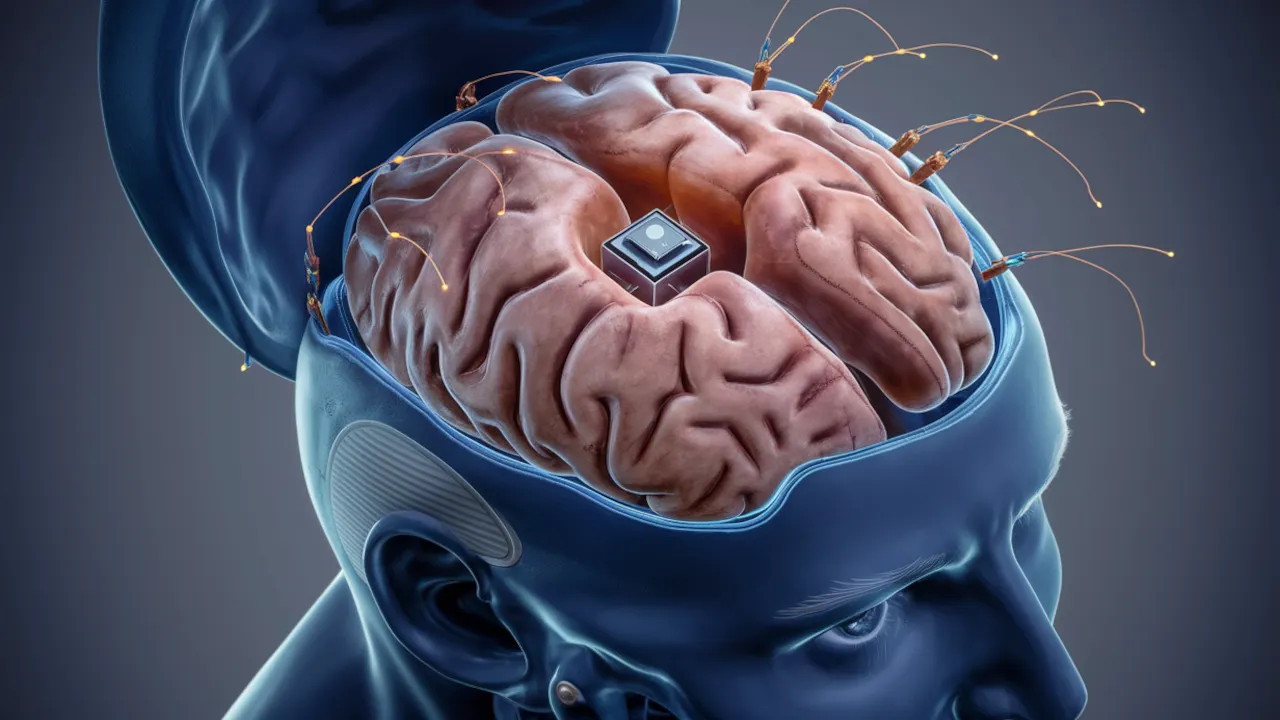
Neuralink brain chip implant technology is pushing the boundaries of neuroscience and artificial intelligence. Developed by Elon Musk’s company Neuralink, this brain-computer interface aims to directly connect the human brain to digital devices, enabling mind-controlled interaction with machines. In recent months, Neuralink successfully conducted its first human trial, showcasing groundbreaking results and opening new frontiers in neurotechnology.
What is Neuralink and How Does It Work?
Neuralink is a neurotechnology company founded in 2016 by Elon Musk. Its mission is to create ultra-high bandwidth brain-computer interfaces (BCIs) that can merge humans with artificial intelligence.
The Neuralink brain chip implant, also called the Link, is a tiny, coin-sized device embedded in the skull. It connects to the brain via ultra-thin threads, each thinner than a human hair, which are inserted into specific brain regions responsible for motor control, sensory input, and cognition.
The implant:
-
Records and interprets neural signals.
-
Sends data wirelessly to external devices like computers or smartphones.
-
Allows real-time control through thoughts alone.
The First Human Neuralink Trial: A Milestone in Neurotech
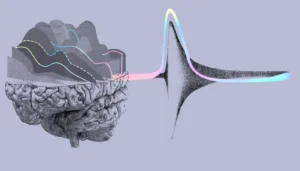
In early 2024, Neuralink implanted its device into a human volunteer for the first time. The patient, a quadriplegic man, successfully controlled a computer cursor using only his thoughts — a feat never achieved at this level of fluidity and precision before.
Key Highlights:
-
The implant showed no adverse medical complications post-surgery.
-
The patient was able to move the on-screen cursor in real time.
-
Signals from neurons were successfully decoded into digital commands.
This success marks a pivotal moment in brain-machine interface development, paving the way for practical applications in assistive technology.
How Neuralink Differs From Other Brain Implants
Compared to previous BCI efforts like BrainGate or Utah Array, Neuralink introduces:
-
Higher electrode density: More precise readings of brain activity.
-
Wireless communication: No external wires protruding from the skull.
-
Robotic surgery: Minimizes risk during implantation.
-
Upgradable firmware: Allows future improvements without re-implantation.
These features make Neuralink’s brain chip a major leap in terms of usability, safety, and scalability.
Potential Applications and Long-Term Vision
The immediate goal of the Neuralink brain chip implant is to help people with neurological disorders or injuries. Future aspirations include:
-
Restoring mobility in paralyzed individuals.
-
Enabling blind patients to perceive visual data.
-
Treating conditions like Parkinson’s, epilepsy, or depression.
-
Enhancing memory or mental processing capabilities.
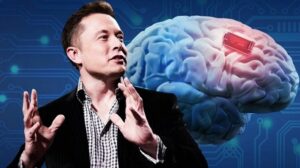
Elon Musk envisions a future where humans can symbiotically interact with AI, creating a “digital superintelligence layer” that keeps us competitive in an AI-driven world.
Ethical Concerns and Risks
As with any breakthrough, Neuralink faces questions regarding:
-
Data privacy: Who owns your brain data?
-
Long-term safety: What happens if the device malfunctions?
-
Cognitive manipulation: Could thoughts be altered or influenced?
Experts call for transparent trials, independent oversight, and regulatory frameworks to ensure safe and ethical use of neural implants.
Current Status and What’s Next?
Neuralink has received FDA approval for its initial human trials and is actively recruiting more patients. Over the coming years, they plan to:
-
Improve signal processing with AI.
-
Miniaturize components further.
-
Develop external apps and tools compatible with the brain chip.

Technologies Behind Neuralink
-
Custom Neural Threads: Polymeric electrodes for biocompatibility.
-
R1 Robot Surgeon: Performs precise, automated implantation.
-
Chargeable Wireless System: Inductive charging like a smartwatch.
-
Onboard Chips: Read and process 1,000+ brain signals per second.
Final Thoughts: The Future of Mind-Controlled Devices
The Neuralink brain chip implant is no longer science fiction — it’s here, it’s working, and it’s evolving. From assisting those with disabilities to unlocking new realms of human–AI interaction, the implications are vast. As human trials continue, the world watches closely: Will this technology revolutionize the way we live, work, and think?