Hot Shows vs Cold Showers: Which Is Healthier?
Showering isn’t just about clean skin—it can impact your physical and mental health. Choosing between a hot shower and a cold shower matters. How you feel before breakfast or bedtime could depend on that temperature dial. This guide explores hot shower benefits and cold shower benefits, helping you decide which shower is healthier for your goals.
Understanding Cold Shower Benefits
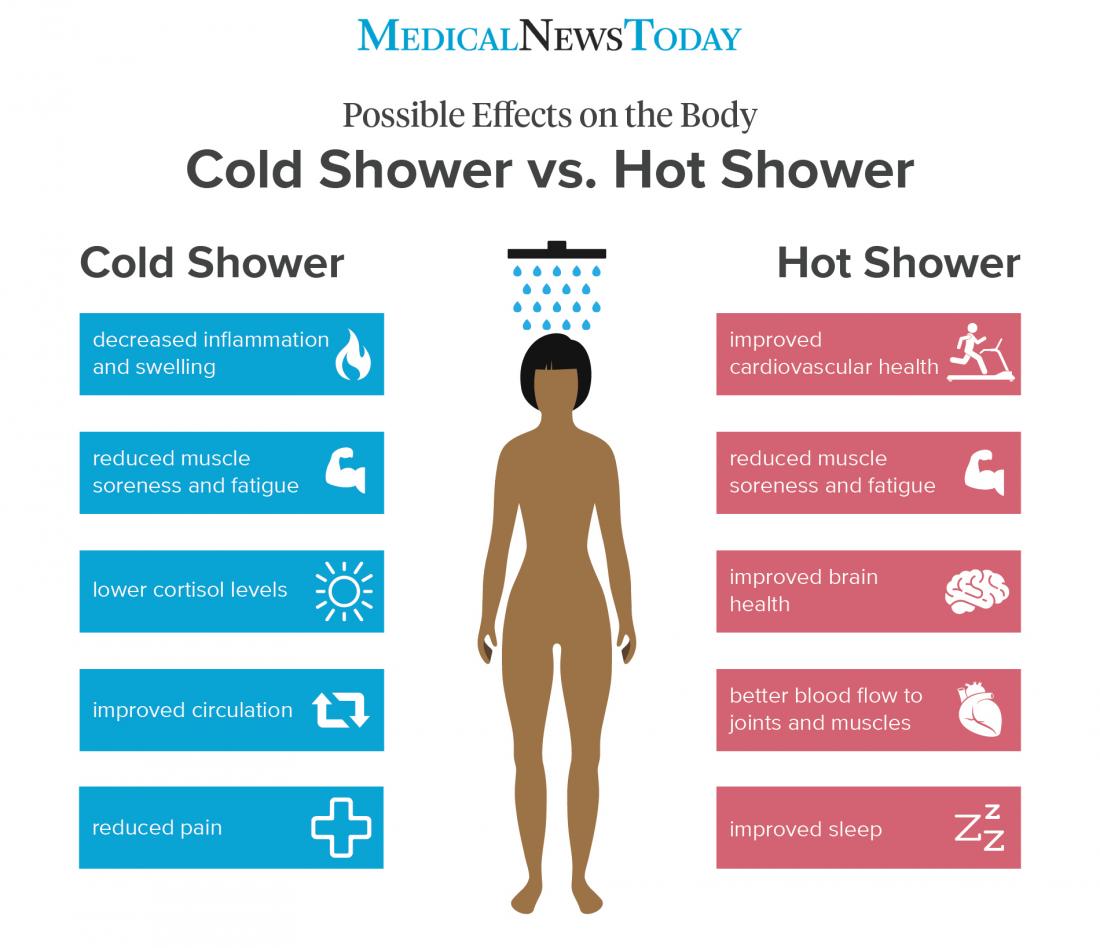
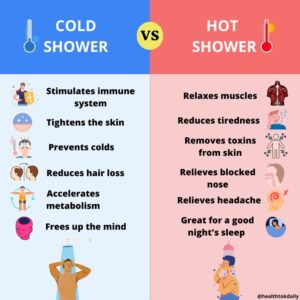
A cold shower stimulates your body’s alarm systems. As cold water hits your skin, blood vessels constrict, heart rate rises, and metabolism speeds up. This cold exposure can reduce cortisol levels, increase dopamine and norepinephrine, improving energy and mood. Cold shower benefits include reduced inflammation, relief from itch or redness, and enhanced alertness. Regular cold showers may also strengthen immune function—some studies report up to 29% fewer sick days when ending with cold water for 30–90 seconds over a month.
Cold shower benefits include faster muscle recovery after exercise, due to reduced swelling and soreness. Cold shower benefits support healthier skin and hair by tightening pores and preserving natural oils, reducing dryness and irritation
Understanding Hot Shower Benefits
Warm or hot showers trigger vasodilation—blood vessels open up, circulation improves, muscles relax. A hot shower can ease joint or muscle tension, making it ideal after exercise or to relieve chronic stiffness. Hot shower benefits include improved sleep when taken 1–2 hours before bed: the warmth helps regulate body temperature and triggers parasympathetic relaxation
Hot shower benefits also include respiratory relief: steam loosens airways and helps clear congestion. Hot shower benefits help cleanse the skin by opening pores and flushing out impurities—though hot water overuse may cause dryness
Potential Drawbacks and Considerations
While both shower types offer benefits, warnings apply. Cold showers may cause shock, rapid breathing, and stress response—in particular for those with heart or lung conditions. Recommended cold shower durations are 30–90 seconds in 10–15 °C (50–60 °F) water, ideally introduced gradually
Hot showers can dry out the skin, worsen eczema or acne, and increase blood pressure or cause dizziness due to vasodilation. Exposure to very hot water may aggravate skin conditions or leave skin itchy. Limiting hot shower time and moisturising afterward are important precautions
Which Is Healthier? Matching Shower Type to Your Goals
-
Need energy, alertness, recovery, or immune support? Cold shower benefits make it a strong choice, especially after workouts or to boost mental clarity.
-
Want relaxation, muscle relief, better sleep, or respiratory comfort? Hot shower benefits shine—particularly if wrapped in steam and warmth before bed.
-
Prefer a balanced approach? Try a contrast shower: start warm to relax, finish with 30–60 seconds of cold. This method combines benefits: improved circulation, alertness, and mood balance through alternating vasodilation and constriction.
In conclusion, both hot showers and cold showers have unique health benefits. Deciding which shower is healthier depends on your needs—whether that means winding down in warmth or getting an invigorating cold start. Understanding cold shower benefits and hot shower benefits allows you to tune into your health and adjust your routine accordingly.